
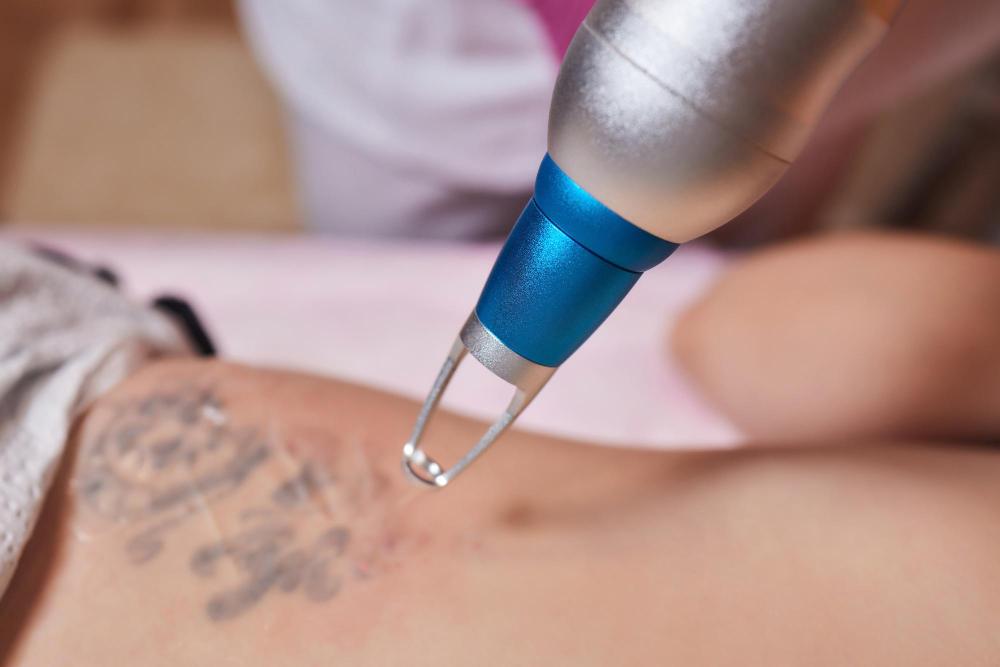
In short: After laser tattoo removal, keep the area clean, use the dressing or ointment prescribed, avoid picking and protect healed skin from sun. Redness, swelling, soreness and some blistering can occur, but symptoms should trend down. Spreading redness, pus, fever, severe pain or delayed healing needs prompt medical review.
Key takeaways
- Do not pop blisters or remove crusts; they protect healing tissue.
- Avoid pools, hot tubs and open water until the skin surface has healed and the clinic clears you.
- Cover treated skin from sun; pigment change is a recognised risk.
- The next session should wait until healing is complete, not simply until a calendar date.
The first days
Follow the clinic’s instructions for cleansing, ointment and dressing. Wash hands before touching the area. Use a cool compress as advised, without placing ice directly on the skin. Loose clothing reduces friction.
Small blisters can be part of the response because the laser creates heat around tattoo pigment. Leave them intact unless a medical professional gives different instructions. Do not shave over broken skin.
Sun water heat and exercise
Keep the area out of direct sun. Once the surface has healed enough for sunscreen, use broad-spectrum protection and clothing that blocks light. The American Academy of Dermatology advises protecting treated skin from sun for three months after laser tattoo removal.
Avoid swimming, hot tubs, sauna and soaking until the skin is closed and the clinic confirms it is safe. Delay exercise that causes rubbing, stretching or heavy sweating over the area while it is tender or blistered.
| Activity | Wait until | Reason |
|---|---|---|
| Swimming or hot tub | Skin is closed and clinic clears it | Reduces irritation and infection exposure |
| Gym | Heat, swelling and friction have settled | Limits rubbing and sweat |
| Sun | Avoid direct exposure; cover throughout healing | Reduces pigment change and burn risk |
| Next laser session | Skin is fully healed and reviewed | Allows tissue and immune clearance time |
Warning signs
Contact the clinic promptly for increasing warmth, spreading redness, pus, bad odour, fever, severe pain, extensive blistering or a wound that is not healing. Seek urgent care for a severe allergic reaction or rapidly worsening symptoms.
Light or dark marks can occur after treatment and may take months to improve. Scarring and texture change are less common but possible. Report changes early rather than treating them with acids or bleaching products on your own.
Between sessions
Tattoo particles are cleared gradually by the body, so multiple treatments and healing intervals are needed. Dark blue and black often respond more readily than colours such as green, red or yellow, but complete removal is not guaranteed. White or flesh-coloured pigment and permanent makeup can darken when treated.
Do not use DIY tattoo-removal creams or acids. The FDA has not approved tattoo-removal creams or kits, and they can cause burns, rash or scars. At the next visit, report any blistering, pigment change or delayed healing so settings can be reconsidered.
A consultation at The Reformery
At The Reformery in Dubai Hills Estate, treatment planning starts with a consultation and skin assessment. The clinician can confirm the diagnosis or concern, review medical history and recent sun exposure, explain realistic options and agree on aftercare. Booking a consultation does not commit you to a procedure. You can also WhatsApp us.
Frequently asked questions
Are blisters normal after tattoo removal?
Small blisters can occur, but do not pop them. Contact the clinic for extensive blistering, severe pain, pus, spreading redness or fever.
When can I swim after tattoo removal?
Wait until the skin is fully closed and the clinic clears you. Pools, hot tubs and open water can irritate healing skin and increase exposure to microbes.
How long should I avoid sun?
Protect the area throughout the course. The AAD advises sun protection for three months after treatment, preferably with opaque clothing over the healed area.
Can I cover the area with makeup?
Do not apply makeup over broken, blistered or crusted skin. Resume only after the surface has healed and the clinician says it is safe.
Why must sessions be spaced apart?
Skin needs time to heal and the immune system needs time to clear fragmented pigment. Treating before recovery can increase complications without safely removing every ink layer.
Medical disclaimer
This article is for general information and does not replace an examination, diagnosis or personalised medical advice. Suitability, risks, treatment settings, recovery and results vary. Seek prompt medical care for severe pain, spreading redness, fever, vision changes, breathing difficulty or another urgent symptom.
Sources
- FDA: Tattoo removal options and results — laser mechanism, multiple sessions, colour limits and risks
- American Academy of Dermatology: Laser tattoo removal — recovery, wound care and three-month sun protection
- The Reformery: Laser tattoo removal — verified clinic service
