Melasma Treatment in Dubai
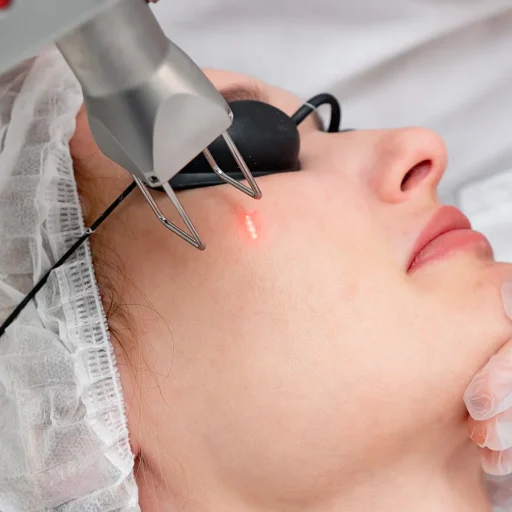
Melasma treatment in Dubai at The Reformery Clinic starts with a dermatologist’s assessment, because melasma behaves differently from other pigmentation. It shows as brown or gray-brown patches on the cheeks, forehead or upper lip, and it often returns after fading. The aim is to lighten the patches and keep them under control over time.
Melasma happens when pigment cells in the skin become overactive. Sunlight, visible light, heat and hormonal changes, such as pregnancy or the contraceptive pill, can all switch them on. That is why treatment combines calming those cells with protecting your skin every single day.
Strong peels, aggressive lasers and heat-based treatments can make melasma darker, so plans stay gentle and build slowly. Your dermatologist decides which treatments suit your skin type and how deep the pigment sits.
- Lightens brown patches gradually, with most change seen over a few months.
- Prescription creams slow pigment production and form the base of most plans.
- Gentle in-clinic treatments, such as mild peels or low-energy laser, can add to the effect.
- Suits many skin types, including the medium and darker tones where melasma is more common.
- Daily protection built in, from the right sunscreen to habits that limit heat on your face.
- Maintenance plans help keep patches lighter after the main course, since melasma tends to come back.
Book a consultation with the clinic’s dermatologist for a melasma plan matched to your skin and routine.
The Main Benefits of Planned Melasma Treatment
Melasma rarely responds to one product or one session. A planned approach brings several benefits.
- A correct diagnosis separates melasma from sun spots and post-acne marks, which need different care.
- Lower risk of rebound, because treatments avoid the heat and irritation that can darken patches.
- More even skin tone as patches fade and blend closer to your natural color.
- Less time covering up, with lighter makeup needed once the patches soften.
- A routine you can keep, built on products and sun habits that fit life in a hot climate.
Results vary. Melasma can be improved and controlled, but it often flares again with sun, heat or hormonal change.
Melasma Treatment Options and What Each One Does
Melasma treatment at the clinic usually combines two or three of these steps.
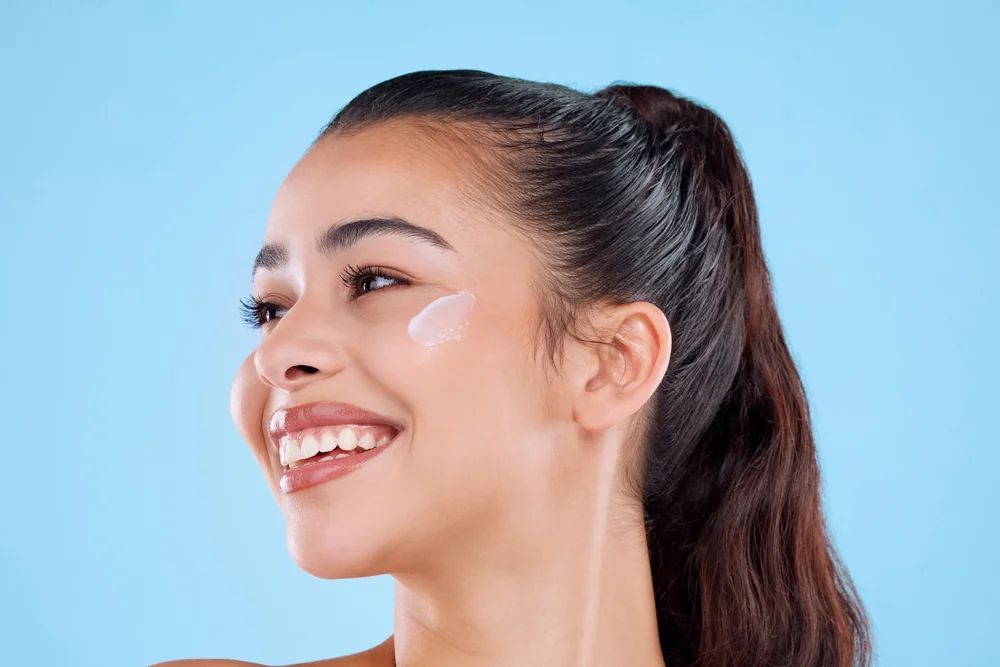
- Prescription creams are the first step for most people. They slow pigment production and are adjusted at follow-ups to limit irritation.
- Gentle chemical peels lift pigmented surface cells over a series of sessions. Mild strengths are used, since strong peels can trigger darker patches.
- Low-energy laser with ClearLift, a Q-switched Nd:YAG laser, breaks up pigment with short, gentle pulses and little heat.
- IPL, used with caution. AFT IPL suits many sun spots, but its heat can worsen melasma, so your dermatologist decides whether it has any place in your plan.
- Strict sun protection underpins every option. A tinted, broad-spectrum sunscreen also helps block the visible light that can darken patches.
Not every pigmentation treatment in Dubai suits melasma, so ask why each step is in your plan.
What to Expect from Your Melasma Treatment Appointment
Bring the products you use now, including any lightening creams bought online, since some contain strong or unlisted ingredients. Note when the patches first appeared and whether they changed with pregnancy, a new pill or a summer outdoors. Avoid strong sun before any peel or laser session. Tell your dermatologist if you are pregnant, planning a pregnancy or breastfeeding.
Your dermatologist examines the patches closely in good light and talks through your likely triggers. You then agree on a plan, which usually starts with home treatment before any in-clinic sessions. If a peel or laser is planned, a lower first setting is often used to see how your skin reacts.
During and after treatment, here is what most people notice:
- Mild stinging or dryness in the first weeks of prescription creams, which usually settles.
- Light flaking or pinkness after gentle peels or laser, often lasting a day or two.
- Slow, steady fading over several months rather than a sudden change.
Apply sunscreen every morning and reapply through the day, including when driving or sitting near windows. A wide-brimmed hat and shade help too. Heat matters as well, so limit saunas, steam rooms and hot yoga where you can. Results vary, and steady daily care is what keeps patches lighter.
When you are ready, book a consultation and bring older photos of your skin if you have them.
Answers to four common questions about melasma
Is melasma treatment safe for darker skin?
Yes, with gentle settings and careful monitoring. Medium and darker skin tones are more prone to melasma and also to dark patches after irritation, so treatment starts mild and builds slowly. Your dermatologist avoids aggressive peels and high-heat devices and watches how your skin reacts before stepping up. Some prescription creams and in-clinic treatments are usually postponed during pregnancy and breastfeeding.
Is there downtime with melasma treatment?
Usually very little. Prescription creams may cause mild redness or peeling at first, but you can carry on as normal. Gentle peels and low-energy laser sessions can leave your skin slightly pink or flaky for a day or two. The bigger commitment is sun protection, which has to continue every day of the year, not only in the days after your sessions.
How many sessions will I need?
Most plans run for several months, with in-clinic sessions spaced a few weeks apart and creams used daily at home. Your dermatologist reviews your progress at each visit and slows or pauses treatment if your skin becomes red or irritated. After the main course, many people move to a lighter maintenance plan, often timed around the long summer months in Dubai.
How long does an appointment take?
A first consultation takes the longest, as it covers your history, an examination and your plan. Peel and laser visits are shorter, with cleansing and aftercare taking up much of the time. Follow-up reviews of your creams are usually quick. Ask the team how long to set aside when you book, especially if you are combining a review with a treatment.
Frequently Asked Questions About Melasma Treatment in Dubai
Melasma is a common pigment condition that causes brown or gray-brown patches, usually on the face. The classic melasma face pattern covers the cheeks, forehead, bridge of the nose and upper lip. It is more common in women and in medium to darker skin tones, and it is not contagious.
It slows overactive pigment cells and clears pigment that has already built up. Creams reduce new pigment, while gentle peels and low-energy laser lift or break down existing pigment. Daily sun protection then stops new triggers from undoing the progress.
Results last as long as the triggers stay under control. Melasma is a long-term condition, and patches often return with strong sun, heat or hormonal change. Daily sunscreen and a maintenance routine make a real difference to how long your skin stays even.
Most melasma treatments are postponed during pregnancy and breastfeeding. Melasma often appears or darkens in pregnancy and may fade on its own afterward. Your doctor can advise on sun protection and gentle skincare in the meantime, then start a fuller plan later.
No, they look similar but behave differently. Sun spots are small, defined marks from sun damage and often respond well to IPL or laser. Melasma forms larger, blurry patches, is linked to hormones and heat, and can darken with the same treatments that clear sun spots.
Strong sun, long daylight hours and heat all stimulate pigment cells. Short trips outdoors, driving and time near windows add up over a week. Year-round sunscreen, shade and avoiding extra heat are part of every melasma treatment plan in Dubai.
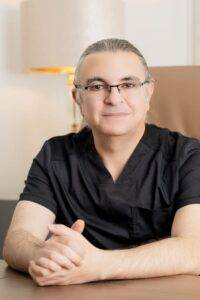
Medically reviewed byDr. Ashraf Ezzedeen, Dermatologist·DHA licence no. 00224226·Last reviewed November 2026
Having Your Melasma Treatment at The Reformery Clinic
- Assessment by a dermatologist: Dr. Ashraf Ezzedeen reviews melasma plans and prescriptions.
- Gentle options chosen on purpose, avoiding heat and strength that could darken patches.
- Home and clinic care in one plan, so creams, sessions and sun habits work together.
- Follow-ups through the seasons, with the plan adjusted ahead of the hotter months.
Prices start from AED 500 and may vary with the treatment plan your doctor recommends.
Get in Touch with Our Experts
What Our Clients Say About Their Visits
Read what patients say about their care at The Reformery Clinic, in their own words, before you decide on a treatment.
Doctors Related to This Treatment
Dr. Ashraf Ezzedeen, the clinic’s dermatologist, reviews melasma diagnoses, prescriptions and in-clinic plans. The profiles below show the doctors linked to this treatment.



Related Services to Consider Alongside Melasma Treatment
ClearLift laser can be added at low energy once your skin has been prepared with creams. If you have other skin concerns, such as acne or rosacea, medical dermatology care can treat them within the same plan.
Stay Informed with Our Skincare Blogs
The clinic’s blog covers skincare and wellness, with practical tips for looking after your skin and health over the long term.