Rosacea Treatment in Dubai
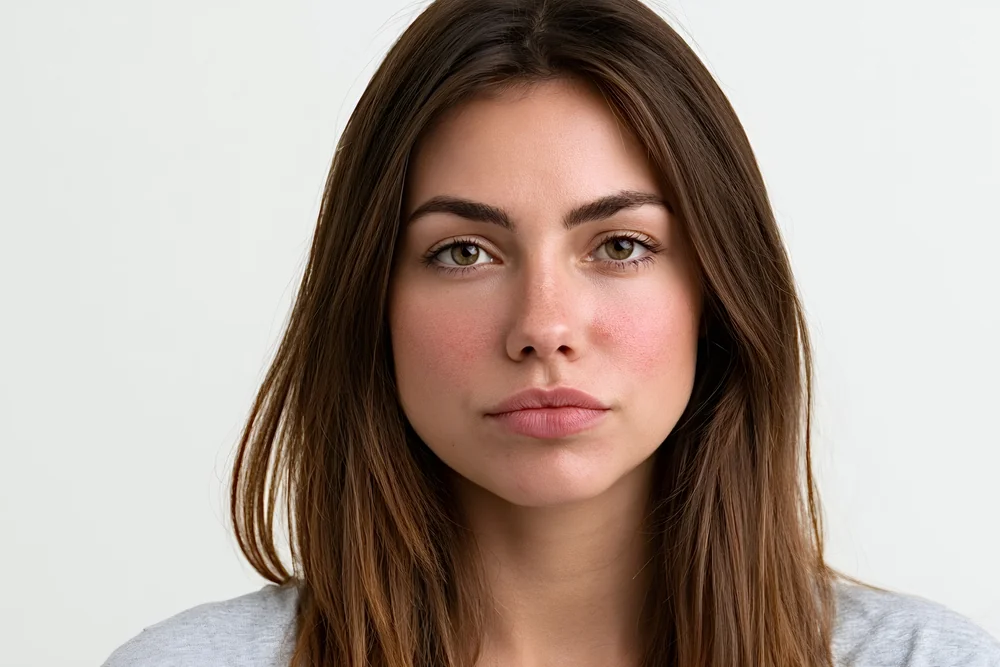
Rosacea treatment in Dubai at The Reformery Clinic starts with a diagnosis from the clinic’s dermatologist, because rosacea is often mistaken for acne, allergy or simply sensitive skin. It usually shows as redness across the cheeks and nose, flushing, small visible blood vessels and sometimes bumps. The aim is calmer, more comfortable skin with fewer flare-ups.
Rosacea is a long-term inflammatory condition. Blood vessels in the face react easily, and triggers such as heat, sun, spicy food, alcohol and stress can set off a flare. Treatment works on two fronts: calming the inflammation and reducing the redness and vessels that stay behind.
Your dermatologist decides the plan based on your type of rosacea. Bumps often need prescription creams or tablets, while constant redness and visible vessels may respond to light-based treatment.
- Calms redness and flushing over time, so your skin tone looks more even.
- Reduces bumps and spots with prescription treatment matched to your rosacea type.
- Fades visible vessels on the cheeks and nose with a course of IPL.
- Identifies your triggers, so you know what to limit and what is fine to keep.
- Soothes sensitive skin with a simpler routine that protects the skin barrier.
- Suits men and women, including those who have tried many products without much change.
Book a consultation with the clinic’s dermatologist to get your redness diagnosed and a plan that fits your skin.
The Main Benefits of Rosacea Treatment
Rosacea skin can feel hot, tight and reactive, so treatment is about comfort as much as looks.
- Fewer flare-ups once you know your triggers and use treatment consistently.
- Less background redness, so you need less makeup for an even look.
- More comfortable skin, with less stinging, burning and tightness through the day.
- Lower risk of progression, since untreated rosacea can lead to thickened skin on the nose in some people.
- Clear advice for daily life, from skincare to exercise and food, so flares are easier to manage.
Rosacea can be well controlled, but it tends to come and go. Results vary, and most people need ongoing care to keep their skin calm.
Facial Redness Treatment for Each Type of Rosacea
Rosacea treatment depends on how your rosacea shows up.
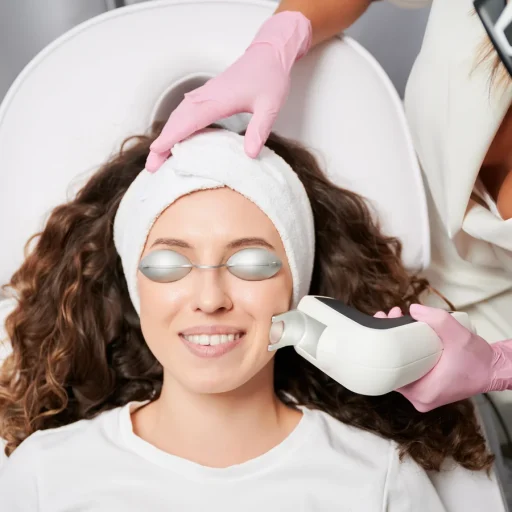
- Persistent redness and flushing often respond to Lumecca IPL, which targets redness in small blood vessels with pulses of light. A course of sessions is usually needed.
- Visible broken vessels on the cheeks and nose can fade with IPL too, using Lumecca or AFT IPL on the Harmony XL Pro, depending on your skin.
- Bumps and pus spots usually need prescription creams or a course of tablets to calm inflammation first.
- Sensitive, stinging skin improves with a stripped-back routine: a gentle cleanser, a plain moisturizer and a mineral sunscreen.
- Eye symptoms, such as gritty, dry or red eyes, can be part of rosacea. Your dermatologist may refer you to an eye doctor for these.
If you also have acne or melasma, mention it, since some treatments for those conditions can irritate rosacea.
What to Expect from Your Rosacea Treatment Appointment
Keep a short diary of flare-ups for a week or two before your visit, noting food, drinks, weather, exercise and products. Bring the skincare and medicines you use, including any steroid creams, since these can make rosacea worse over time. If IPL is likely, avoid tanning beforehand. Come without makeup so your skin can be seen as it is.
Your dermatologist examines your face, asks about flushing, burning and eye symptoms, and confirms whether rosacea is the cause. You then agree on a plan, which may start with prescription treatment and gentle skincare. IPL sessions, if suitable, usually begin once inflammation has settled.
During and after IPL, here is what most people notice:
- A quick snapping or warm feeling with each pulse of light, with cooling used for comfort.
- Redness and slight swelling for a few hours to a couple of days.
- Gradual fading of redness over a course of sessions, as treated vessels break down.
Keep your skin cool after treatment and avoid hot showers, saunas and hard workouts for a day or two. Use sunscreen every day, as sun is a common trigger. Move between hot outdoor air and cold AC gently where you can, since sudden temperature changes can bring on flushing. Results vary, and sticking to your plan matters more than any single session.
Book a consultation and bring your flare-up diary and a list of the products you use.
Answers to four common questions about rosacea
Is IPL safe for rosacea skin?
IPL is widely used for rosacea redness and suits many people when the settings match their skin type. It is used with more caution on darker or tanned skin, where it can cause pigment changes. Side effects can include redness, swelling and, rarely, blistering or crusting. IPL is usually postponed during pregnancy and whenever your skin is inflamed or sunburned.
Is there downtime after rosacea treatment?
There is usually little downtime. Prescription creams can sting a little in the first weeks but rarely stop you from working. After IPL, your skin may look flushed and slightly swollen for up to a couple of days, and makeup can usually go on once it calms. Avoid heat, intense exercise and strong sun for a few days after each session.
How many IPL sessions will I need?
Most people need a course of several IPL sessions, usually spaced a few weeks apart. The number depends on how much redness and how many visible vessels you have, and how your skin responds. Prescription treatment may continue alongside IPL for weeks or months. Because rosacea is long-term, many people return for occasional top-up sessions to keep the redness down.
How long does an appointment take?
A first consultation takes the longest, because your dermatologist needs your full history, an examination and time to explain your plan. IPL sessions are much shorter, with most of the time spent cleansing your skin, protecting your eyes and cooling the area afterward. Follow-up reviews are quicker. Ask the team how long to set aside when you book your visit.
Frequently Asked Questions About Rosacea Treatment
Rosacea is a common, long-term skin condition that causes facial redness, flushing, visible blood vessels and sometimes acne-like bumps. It mostly affects the cheeks, nose, chin and forehead. It often starts in adulthood and tends to come and go in flares.
It works by calming inflammation and reducing visible redness. Prescription creams and tablets target the bumps and inflammation, while IPL treats redness and visible vessels with light. Trigger control and gentle skincare at home then reduce how often flares return.
IPL results can last many months, but new redness can develop over time, especially with sun, heat and other triggers. Prescription treatment keeps working while you use it. Many people keep their skin calm with a simple routine and occasional top-up sessions.
Yes, and most people with rosacea have sensitive skin. Products and settings are chosen to avoid irritation. Harsh scrubs, strong acids and fragrance are usually cut out, and in-clinic treatments only start once your skin is calm enough to handle them.
No, although the bumps can look similar. Rosacea does not cause blackheads and comes with flushing and redness, while acne is driven by blocked pores. Some acne treatments can irritate rosacea, which is why a proper diagnosis matters before you start any treatment.
It can. Heat, strong sun and the shift between hot outdoor air and cold air conditioning are common triggers. Daily sunscreen, shade, cool water for washing and exercising in cooler hours all support rosacea treatment in Dubai through the year.
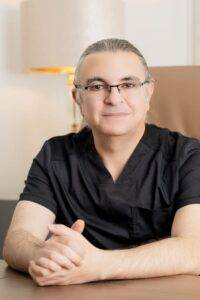
Medically reviewed byDr. Ashraf Ezzedeen, Dermatologist·DHA licence no. 00224226·Last reviewed November 2026
Having Your Rosacea Treatment at The Reformery Clinic
- Diagnosis by a dermatologist: Dr. Ashraf Ezzedeen reviews rosacea plans and prescriptions.
- Two IPL systems, Lumecca and AFT IPL on the Harmony XL Pro, so the device suits your skin and redness.
- Prescription and in-clinic care together, in one plan with regular reviews.
- Practical trigger advice for life in Dubai, from the gym to the beach.
Prices start from AED 1200 and may vary with the treatment plan your doctor recommends.
Get in Touch with Our Experts
What Our Clients Say About Their Visits
Read what patients say about their care at The Reformery Clinic, in their own words, before you decide on a treatment.
Doctors Related to This Treatment
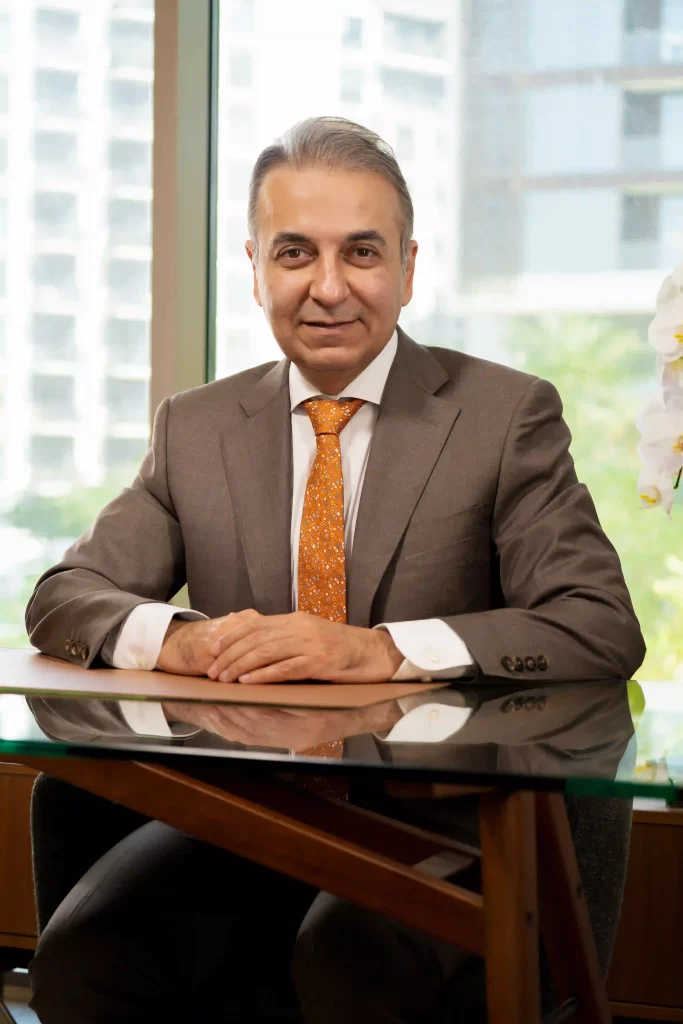
Dr. Ashraf Ezzedeen, the clinic’s dermatologist, reviews rosacea diagnoses and treatment plans, including whether IPL suits your skin. The profiles below show the doctors linked to this treatment.



Related Services to Consider Alongside Rosacea Treatment
AFT IPL on the Harmony XL Pro is another light-based option for redness and sun damage. If you have other skin conditions, such as eczema or acne, medical dermatology care can treat them in the same plan.
Stay Informed with Our Skincare Blogs
The clinic’s blog covers skincare and wellness, with practical tips for looking after your skin and health over the long term.