
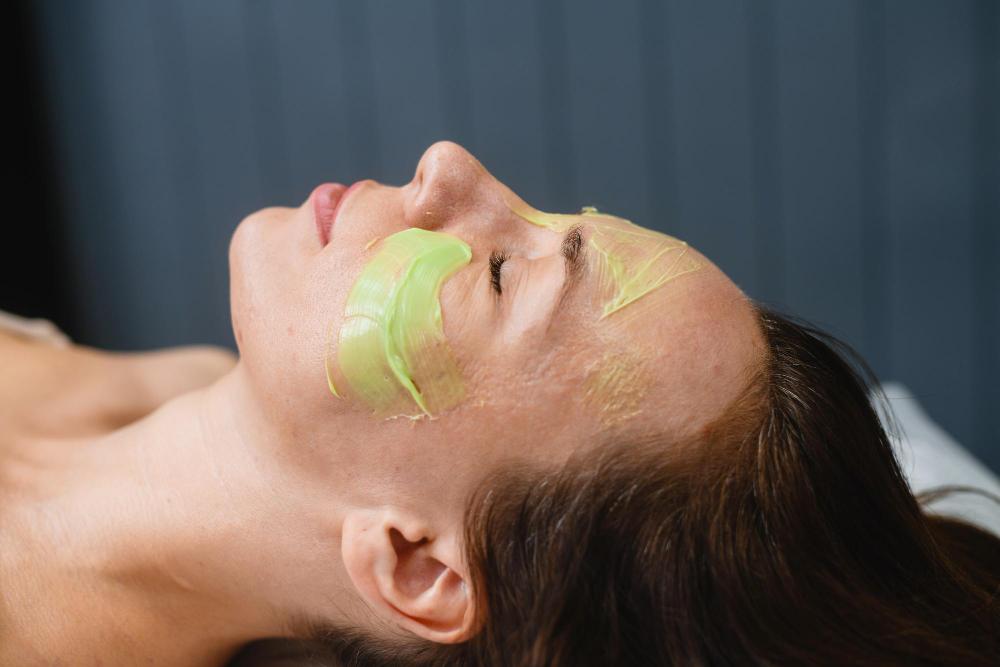
In short: Neither peel is automatically better. Green Peel uses a branded herbal protocol with different intensities, while chemical peels use selected acids at controlled strengths. The right choice depends on the diagnosis, skin tone, active inflammation, desired depth and your ability to protect healing skin from Dubai sun and heat.
Key takeaways
- Pigmentation should be identified before it is treated; melasma and post-inflammatory marks do not always respond the same way.
- Active, deep or painful acne usually needs medical acne control before an elective peel.
- Downtime depends more on treatment intensity than on the word natural or chemical.
- Darker skin tones can have peels, but careful selection and aftercare reduce the risk of post-inflammatory hyperpigmentation.
How the two peels differ
Green Peel is a professional herbal resurfacing system. The practitioner massages a plant-based mixture into the skin, and the intensity can range from a lighter refresh to a protocol that produces visible peeling. A chemical peel applies a clinician-selected solution, such as a superficial acid blend, to create controlled exfoliation at a chosen depth.
The word chemical does not mean harsh, and plant-based does not mean risk-free. Both approaches intentionally stimulate renewal and can cause redness, sensitivity or peeling. Product choice, concentration, contact time, technique and the person’s skin all change the outcome.
Which peel fits pigmentation acne or dullness
For dullness and mild surface roughness, a lighter version of either treatment may be proportionate. For clogged pores or selected superficial acne, a clinician may favour a peel ingredient suited to oil and congestion. Inflamed nodules, cysts or an impaired skin barrier call for diagnosis and control rather than simply stronger exfoliation.
Pigmentation needs extra care. Freckles, sun spots, melasma and marks left after acne are different problems. Heat and inflammation can worsen melasma or trigger darker marks after treatment, particularly in pigment-prone skin. A dermatologist may recommend preparation, a patch test, a gentler plan or a different treatment altogether.
| Main concern | Green Peel may suit | Chemical peel may suit | Important limit |
|---|---|---|---|
| Dullness | A lighter herbal protocol | A superficial clinician-selected peel | Hydration or barrier repair may come first |
| Congestion or acne | Selected non-inflamed cases | Ingredients can be matched to oil and comedones | Deep or painful acne needs medical review |
| Pigmentation | Selected superficial uneven tone | Selected pigment concerns at an appropriate depth | Diagnosis and pigment-risk planning are essential |
| Texture | Mild surface texture | Depth can be adjusted to the concern | Scars may need microneedling or laser instead |
Downtime and aftercare
A light peel may cause temporary tightness or mild flaking. More intensive Green Peel or chemical peel protocols can produce several days of visible redness and peeling. Do not schedule either immediately before a beach trip, outdoor event or period when you cannot avoid strong sun.
Use only the cleanser, moisturiser and sun protection recommended by the treating clinician. Do not pick flakes, scrub the skin or restart retinoids and exfoliating acids until you are told it is safe. Contact the clinic if pain, swelling, blistering or discharge exceeds the expected recovery explained at consultation.
When a peel should wait
Treatment may need to be postponed for sunburn, a fresh tan, broken or infected skin, an eczema or rosacea flare, active cold sores or recent procedures. Pregnancy, breastfeeding, isotretinoin history, medicines that affect healing or light sensitivity, and a tendency to scar must be discussed. Never stop a prescribed medicine on your own.
A useful consultation ends with a diagnosis or working assessment, a named protocol and depth, expected recovery, a clear pigment-risk plan and realistic alternatives. If those details are missing, choosing between two treatment names is premature.
A consultation at The Reformery
At The Reformery in Dubai Hills Estate, treatment planning starts with a consultation and skin assessment. The clinician can confirm the diagnosis or concern, review medical history and recent sun exposure, explain realistic options and agree on aftercare. Booking a consultation does not commit you to a procedure. You can also WhatsApp us.
Frequently asked questions
Is Green Peel safer because it is natural?
Not necessarily. Herbal ingredients can irritate skin or trigger allergy, and an intensive protocol still creates controlled injury. Safety depends on suitability, practitioner training, treatment intensity and aftercare rather than whether the ingredients are described as natural.
Which peel is better for acne scars?
Shallow discolouration and surface irregularity may improve with selected peels, but indented acne scars often need a plan that may include microneedling, subcision or laser. Active acne should be controlled first so new scars are not forming.
Can I have a peel if I have melasma?
Possibly, but melasma can worsen after heat or inflammation. A dermatologist should confirm the diagnosis and may recommend skin preparation, a conservative peel, strict sun and heat management, or another treatment.
How long does peeling last?
It varies with the protocol and depth. A light treatment may cause little visible peeling, while stronger treatments can involve several days of flaking and redness. Use the recovery estimate given for your exact protocol, not a generic social-media timeline.
Can I combine a peel with laser or microneedling?
These treatments may be staged, but doing them too close together can increase irritation and pigment risk. A clinician should set the order and interval after examining your skin and reviewing previous reactions.
Medical disclaimer
This article is for general information and does not replace an examination, diagnosis or personalised medical advice. Suitability, risks, treatment settings, recovery and results vary. Seek prompt medical care for severe pain, spreading redness, fever, vision changes, breathing difficulty or another urgent symptom.
Sources
- American Academy of Dermatology: Chemical peels overview — uses, professional supervision and expected benefits
- American Academy of Dermatology: Chemical peel FAQs — healing, aftercare and pigment risks
- The Reformery: Green Peel service — verified availability and named Green Peel protocols
