
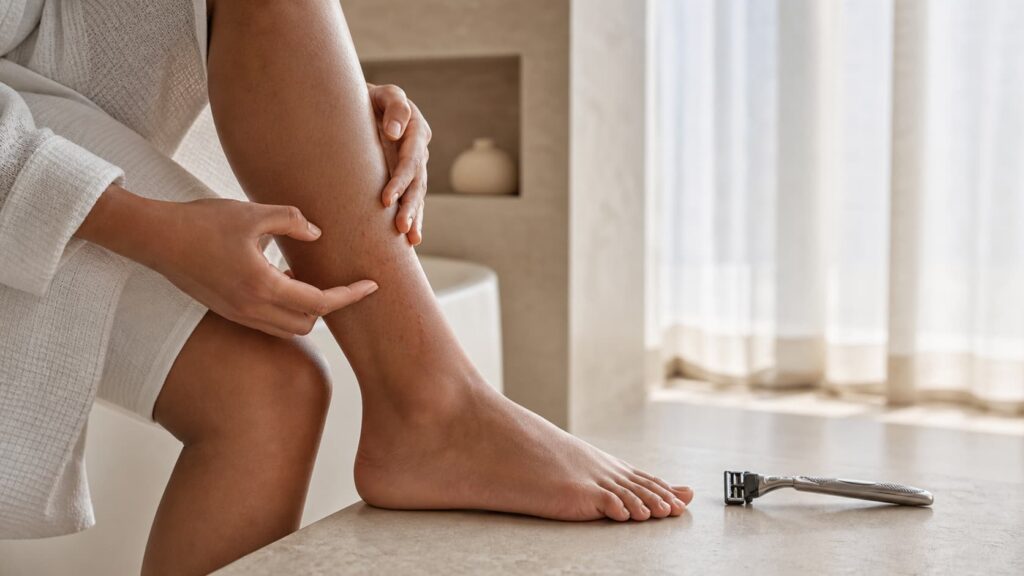
Smooth skin should not come with a cycle of bumps, itching and dark marks. Yet for many people, the trouble begins a day or two after shaving, waxing or tweezing. A tender spot appears on the neck, bikini line, underarm or leg. Sometimes a curled hair is visible beneath it; sometimes it simply looks like a breakout.
Ingrown hairs are common and usually settle, but recurring bumps deserve more than another harsh scrub. Your hair type, removal method and skincare routine all matter. Dubai’s heat can add sweat, friction and occlusion to skin that is already irritated, especially beneath collars, gym wear or close-fitting clothing. Understanding the cause is the first step towards choosing sensible home care or professional ingrown hair treatment Dubai residents can access.
What is an ingrown hair?
An ingrown hair develops when a removed hair grows sideways or curves back into the skin instead of emerging through the follicle opening. The body recognises the trapped tip as an irritant, which can produce a small raised bump, tenderness, itching or inflammation. Curly or coarse hair is more likely to bend back, although anyone who removes hair can be affected.
Razor bumps, medically known as pseudofolliculitis barbae, are clusters of inflamed bumps caused by hairs re-entering the skin after a close shave. Despite the name, they are not limited to beards or to men. They can occur wherever hair is shaved, including the neck, underarms, legs and bikini area.
An ingrown hair is not automatically infected. Pus, increasing pain, warmth or spreading redness may point to folliculitis or another skin problem. Acne, keratosis pilaris and contact irritation can also look similar, so persistent “razor bumps” are worth having assessed rather than repeatedly treating at random.
Why do ingrown hairs and razor bumps happen?
The most frequent trigger is a very close shave. Cutting the hair at or below skin level leaves a sharp tip that can pierce the follicle wall as it grows. Stretching the skin while shaving makes this more likely because the newly cut hair retracts beneath the surface.
Other common contributors include:
- Shaving against the direction of growth or repeatedly passing over the same patch
- Using a blunt, dirty or dry razor
- Waxing or tweezing, which can alter the route of new growth
- A build-up of dead skin that makes it harder for the hair to emerge
- Tight clothing and repeated rubbing around the neck, thighs, underarms or bikini line
- Naturally coarse, curly or tightly coiled hair
- Picking existing bumps, which adds inflammation and raises the risk of infection or scarring
Dubai does not cause ingrown hairs, but day-to-day conditions can make irritated follicles feel worse. Perspiration under an abaya, kandura collar, sportswear or uniform may combine with rubbing. Fragranced body products applied immediately after shaving can sting. Strong sun can also make post-inflammatory dark marks more noticeable, particularly in medium to deep skin tones.
How to prevent ingrown hairs without giving up smooth skin
If you are searching for how to prevent ingrown hairs, start with technique rather than buying a shelf of products. A few consistent changes often make the biggest difference.
Prepare before the razor touches your skin
Shave after a warm shower, or hold a warm, damp cloth over the area for several minutes. Softer hair is easier to cut with less pressure. Cleanse gently and apply a fragrance-free shaving cream or gel, allowing it to sit briefly instead of shaving dry.
Follow the grain
Look closely at the direction in which the hair grows; on the neck, it may change from one patch to the next. Shave with that direction using short, light strokes. Avoid stretching the skin and try not to pass over one area more than twice. A perfectly close finish may last slightly longer, but it can cost several days of irritation.
Keep the blade clean and sharp
Rinse after each stroke and replace a disposable blade regularly. The American Academy of Dermatology suggests changing it after roughly five to seven shaves. Let the razor dry outside the shower, where a constantly damp blade can become contaminated. Some people do better with a single-blade or electric razor because it leaves the hair fractionally longer.
Calm, do not attack, freshly shaved skin
Rinse, then apply a cool compress. Follow with a simple, fragrance-free moisturiser that suits your skin. Avoid vigorous scrubs, acids and heavily perfumed deodorants immediately after hair removal. Once the skin is calm, measured exfoliation may help keep follicle openings clear, but stronger is not always better. A dermatologist can advise on ingredients such as salicylic or glycolic acid if you also have sensitive skin or pigmentation.
Loose, breathable clothing can reduce rubbing after shaving or waxing. If you train outdoors or move between air-conditioning and humid weather, change out of sweaty clothes and shower rather than leaving damp fabric against recently shaved skin.
What to do when a bump has already appeared
Pause shaving or waxing over the area and give the hair time to grow out. Use a warm compress and gentle cleansing, but do not squeeze, dig at or lift the hair with a needle. At-home ingrown hair removal can introduce bacteria and turn a small bump into a longer-lasting mark.
If the tip naturally emerges, leave it alone rather than plucking the entire hair. Continue with a bland moisturiser and use broad-spectrum SPF on exposed areas, including the face, neck and legs, to help prevent marks from becoming more pronounced.
Seek medical advice if bumps are frequent, very painful, hot, increasingly swollen or draining pus, or if you feel unwell. A dermatologist may diagnose inflammation, infection or a different condition and recommend targeted care. Depending on the diagnosis, this can include a topical retinoid or keratolytic, a short course of anti-inflammatory treatment, or an antibiotic when infection is present. These are not interchangeable remedies and should not be self-prescribed.
Professional razor bumps treatment in Dubai
When changing your routine is not enough, a consultation can help separate active bumps from the pigmentation or texture they leave behind. The Reformery’s Medical Dermatology service includes assessment of acne-like eruptions, inflammation and pigmentary concerns. This is a sensible starting point if you are unsure whether the problem is an ingrown hair, folliculitis or something else.
For people whose bumps repeatedly follow shaving, reducing the need to shave can address the trigger. Laser hair removal in Dubai works by delivering energy to targeted follicles to reduce future hair growth over a planned series of sessions. As regrowth becomes finer and less dense, many people experience fewer opportunities for hairs to curl back into the skin.
The Reformery also offers female laser hair removal with Soprano Titanium, with options for facial and body areas. Laser settings, session timing and suitability should always be chosen for the individual’s skin tone, hair colour, treatment area and medical history. It is hair reduction rather than a one-visit cure, and occasional maintenance may be advised.
Dark spots may remain after the active bumps are controlled. Following an assessment, a clinician may discuss skincare or a carefully selected chemical peel for uneven tone or texture. A peel should not be applied over infected, broken or freshly irritated skin, and Dubai’s year-round UV exposure makes aftercare and sun protection especially important.
Choosing the right plan at The Reformery
Good razor bumps treatment Dubai patients can trust begins with the right diagnosis, not an aggressive product. At The Reformery in Dubai Hills Estate, the approach can bring dermatology, skin care and longer-term hair reduction into one personalised plan. That may mean correcting shaving habits first, treating inflammation, and only then addressing residual marks.
Before your consultation, note which removal method you use, how soon the bumps appear, which products touch the area and whether the problem leaves dark marks. Photos taken during a flare can also be useful if the skin is calm on appointment day.
Recurring ingrown hairs are frustrating, but they are not something you have to accept as the price of grooming. With gentler technique and the right professional support, it is possible to reduce irritation and protect the tone and texture of your skin. If the cycle keeps returning, book a consultation with The Reformery to discuss an individual plan for ingrown hair treatment Dubai clients can follow with confidence.
