
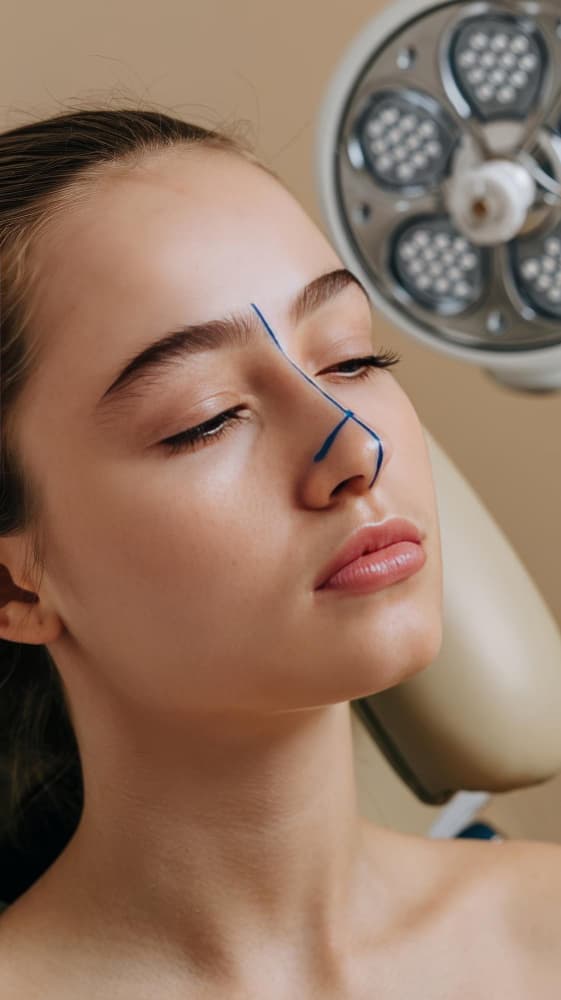
The nose is one of the defining features of the face. Even subtle adjustments can create a noticeable difference in facial balance and harmony. For years, surgical rhinoplasty was the only solution for people wanting to change the appearance of their nose. Today, advances in aesthetic medicine have introduced another option that has become increasingly popular: liquid rhinoplasty.
Many people searching for liquid rhinoplasty vs surgical rhinoplasty are not necessarily looking for the most dramatic transformation—they simply want to know which treatment aligns with their goals, lifestyle, and expectations.
At The Reformery Clinic, consultations begin with understanding your facial anatomy, concerns, and desired outcome. There is no universal solution because every face is unique. While one person may benefit from a non-surgical nose job, another may require surgery to achieve structural changes.
This guide explains the differences between the two procedures, their advantages, limitations, recovery process, and who each treatment is most suitable for.
Understanding the Two Procedures
What Is Liquid Rhinoplasty?
A liquid rhinoplasty, often referred to as a non-surgical nose job, uses hyaluronic acid dermal fillers to reshape specific areas of the nose without surgery.
Rather than removing tissue or altering bone, carefully placed filler changes the contours of the nose by adding volume where needed. This technique creates the appearance of a straighter bridge, improves symmetry, and can subtly lift the nasal tip.
Treatment generally takes between 20 and 40 minutes, making it a convenient option for people with busy schedules.
Unlike surgery, there are no incisions, stitches, or general anaesthesia involved. Most patients resume normal daily activities shortly after treatment.
What Is Surgical Rhinoplasty?
Surgical rhinoplasty permanently changes the structure of the nose by reshaping bone, cartilage, or both.
This procedure is performed under general anaesthesia and requires careful surgical planning. It is capable of making significant cosmetic improvements while also correcting structural issues that may affect breathing.
Depending on the complexity of the case, surgery may involve:
- Reducing a prominent dorsal hump
- Narrowing the bridge
- Refining the nasal tip
- Correcting asymmetry
- Straightening a crooked nose
- Improving airflow caused by a deviated septum
Because structural changes are made, recovery is considerably longer than with liquid rhinoplasty.
Liquid Rhinoplasty vs Surgical Rhinoplasty: The Main Differences
Although both procedures aim to improve the appearance of the nose, they achieve this in completely different ways.
| Feature | Liquid Rhinoplasty | Surgical Rhinoplasty |
|---|---|---|
| Procedure | Injectable fillers | Surgery |
| Anaesthesia | None or local | General anaesthesia |
| Treatment Time | 20–40 minutes | 2–4 hours |
| Downtime | Minimal | 1–2 weeks |
| Results | Immediate | Develop over several months |
| Longevity | 9–18 months | Long-lasting |
| Incisions | None | Yes |
| Reversible | Usually yes | No |
When Is Liquid Rhinoplasty the Better Choice?
For many patients, liquid rhinoplasty Dubai has become an attractive option because it provides visible improvements without surgery.
It is particularly suitable for people who wish to enhance rather than dramatically change their appearance.
A nose filler treatment can often improve:
- Small dorsal humps
- Mild asymmetry
- A low nasal bridge
- Slightly drooping nasal tips
- Irregular contours following previous surgery
- Minor cosmetic imperfections
One of the biggest advantages is that results are visible almost immediately. Once any minor swelling settles, patients can appreciate their new profile before leaving the clinic.
Another reason many people choose liquid rhinoplasty is flexibility.
Since fillers gradually dissolve over time, patients who wish to make future adjustments can do so without committing to permanent structural changes.
Benefits of Liquid Rhinoplasty
The popularity of non-surgical nose jobs continues to grow because the treatment offers several practical advantages.
Minimal Downtime
Unlike surgery, recovery is typically quick. Mild swelling or redness usually resolves within a few days, allowing most patients to return to work immediately.
Immediate Results
There is no need to wait months to appreciate the outcome. Improvements become visible straight after treatment.
No Surgery
Patients avoid:
- General anaesthesia
- Surgical scars
- Hospital stays
- Lengthy recovery
Adjustable Results
Since hyaluronic acid fillers can often be dissolved if required, treatment offers flexibility that surgery cannot provide.
Lower Initial Investment
Although maintenance treatments are needed over time, the initial cost is generally lower than surgical rhinoplasty, making it accessible for many patients considering aesthetic enhancement.
Limitations of Liquid Rhinoplasty
While liquid rhinoplasty offers many benefits, it also has important limitations.
It cannot:
- Make the nose smaller
- Reduce wide nostrils
- Correct significant breathing problems
- Repair severe structural abnormalities
- Permanently reshape bone or cartilage
Instead, fillers work by adding volume, meaning they create the illusion of a more balanced nose rather than physically removing tissue.
For patients seeking dramatic changes, surgery remains the more appropriate solution.
When Is Surgical Rhinoplasty the Better Option?
Surgical rhinoplasty is recommended when changes extend beyond what fillers can safely achieve.
It may be the preferred option for individuals wanting to:
- Reduce overall nose size
- Narrow the bridge
- Reshape the nostrils
- Correct congenital deformities
- Improve breathing function
- Address traumatic injuries
- Achieve permanent structural refinement
Because surgery changes the underlying anatomy, it offers possibilities that injectable treatments simply cannot replicate.
Recovery: What Should You Expect?
Recovery is often one of the biggest deciding factors when comparing liquid rhinoplasty vs surgical rhinoplasty.
Although both procedures require aftercare, the experience differs significantly.
Recovery After Liquid Rhinoplasty
One reason liquid rhinoplasty continues to gain popularity is the minimal interruption it causes to everyday life.
Following treatment, you may experience:
- Mild swelling
- Temporary redness
- Minor bruising around injection sites
- Slight tenderness
These effects generally improve within a few days.
Patients are usually advised to:
- Avoid wearing heavy glasses for the first few days
- Refrain from intense exercise for 24–48 hours
- Avoid pressing or massaging the treated area unless instructed by the practitioner
- Sleep with the head slightly elevated on the first night
Most people return to work, social activities, and normal routines immediately or the following day.
Recovery After Surgical Rhinoplasty
Recovery following surgery is considerably longer.
Patients should expect:
- Swelling
- Bruising around the eyes
- Nasal congestion
- Temporary discomfort
- A protective splint for approximately one week
While many individuals return to work within 10 to 14 days, residual swelling may continue to improve over several months. Final results often become fully visible between six and twelve months after surgery.
Although recovery requires patience, the outcome is long-lasting because the underlying bone and cartilage have been permanently reshaped.
Understanding the Risks
Every aesthetic procedure carries potential risks, which is why choosing an experienced medical professional is essential.
Risks of Liquid Rhinoplasty
When performed correctly using appropriate techniques and patient selection, nose filler treatment is generally well tolerated. However, possible risks include:
- Swelling
- Bruising
- Tenderness
- Temporary asymmetry
- Filler migration
- Vascular complications, although uncommon, which require prompt medical attention
The nose contains a complex network of blood vessels, making experience and anatomical knowledge particularly important when performing injectable treatments.
Risks of Surgical Rhinoplasty
As with any surgical procedure, rhinoplasty carries additional considerations, including:
- Infection
- Bleeding
- Scarring
- Anaesthesia-related risks
- Prolonged swelling
- Revision surgery in some cases
- Changes in nasal breathing
These risks vary depending on the individual and should be discussed thoroughly during a consultation.
How Long Do the Results Last?
Longevity is another major difference between the two treatments.
Liquid Rhinoplasty
Because dermal fillers gradually break down naturally within the body, results are temporary.
Most patients enjoy improvements for approximately 9 to 18 months, depending on:
- The type of filler used
- Individual metabolism
- Lifestyle factors
- Treatment area
Maintenance sessions help preserve the desired appearance over time.
Surgical Rhinoplasty
Surgical rhinoplasty produces long-lasting structural changes. Once healing is complete, the results are generally permanent, although the natural ageing process will continue to influence facial appearance over the years.
Which Procedure Looks More Natural?
A common misconception is that surgery automatically provides the most natural-looking result.
In reality, the answer depends on the individual.
A well-performed liquid rhinoplasty can create subtle refinements that preserve your natural facial features while improving balance and proportion.
Similarly, a thoughtfully planned surgical rhinoplasty should complement the rest of the face rather than dramatically altering your appearance.
The goal should never be to create someone else’s nose—it should be to achieve harmony with your own facial anatomy.
Cost Considerations
Many patients compare the initial cost when deciding between the two options.
Generally speaking:
- Liquid rhinoplasty has a lower upfront investment but requires maintenance treatments over time.
- Surgical rhinoplasty involves a higher initial cost due to operating theatre fees, anaesthesia, and recovery requirements, but the results are intended to be long-lasting.
Rather than focusing solely on cost, it is worth considering your long-term goals, desired outcome, and whether you are seeking temporary enhancement or permanent structural change.
Which Treatment Is Right for You?
Choosing between liquid rhinoplasty vs surgical rhinoplasty depends on what you hope to achieve.
Liquid rhinoplasty may be suitable if you:
- Want subtle cosmetic refinement
- Prefer a non-surgical treatment
- Have minimal downtime available
- Wish to see immediate results
- Are not ready to commit to permanent changes
- Have mild asymmetry or contour irregularities
Surgical rhinoplasty may be more appropriate if you:
- Want to reduce the size of your nose
- Require structural correction
- Have breathing concerns
- Are seeking permanent changes
- Need significant reshaping of bone or cartilage
A consultation allows your practitioner to evaluate your facial anatomy and discuss realistic treatment options based on your individual goals.
Frequently Asked Questions
Is liquid rhinoplasty painful?
Most patients describe the treatment as very manageable. Topical numbing cream and fillers containing local anaesthetic help improve comfort during the procedure.
Can liquid rhinoplasty make my nose smaller?
No. Fillers add volume rather than remove it. They create the appearance of improved balance but cannot reduce the overall size of the nose.
Is liquid rhinoplasty reversible?
In many cases, hyaluronic acid fillers can be dissolved using an enzyme called hyaluronidase if necessary.
Can surgical rhinoplasty improve breathing?
Yes. Surgical rhinoplasty can address structural concerns such as a deviated septum or other anatomical issues that affect airflow.
Which option has less downtime?
Liquid rhinoplasty requires significantly less downtime than surgery, making it a popular choice for people seeking cosmetic enhancement with minimal disruption to their routine.
Final Thoughts
When comparing liquid rhinoplasty vs surgical rhinoplasty, there is no universal answer. The best choice depends on your facial anatomy, lifestyle, expectations, and the type of changes you want to achieve.
If your goal is subtle refinement with little downtime, liquid rhinoplasty may offer the enhancement you’re looking for. If you require permanent structural correction or wish to significantly reshape the nose, surgical rhinoplasty may be the more suitable option.
At The Reformery Clinic, every treatment begins with a personalised consultation. By understanding your concerns and carefully assessing your facial proportions, our experienced practitioners can recommend the approach that aligns with your goals while maintaining natural-looking facial harmony.
Whether you are considering a non-surgical nose job or exploring surgical options, making an informed decision is the first step towards achieving results that feel balanced, proportionate, and uniquely yours.
