
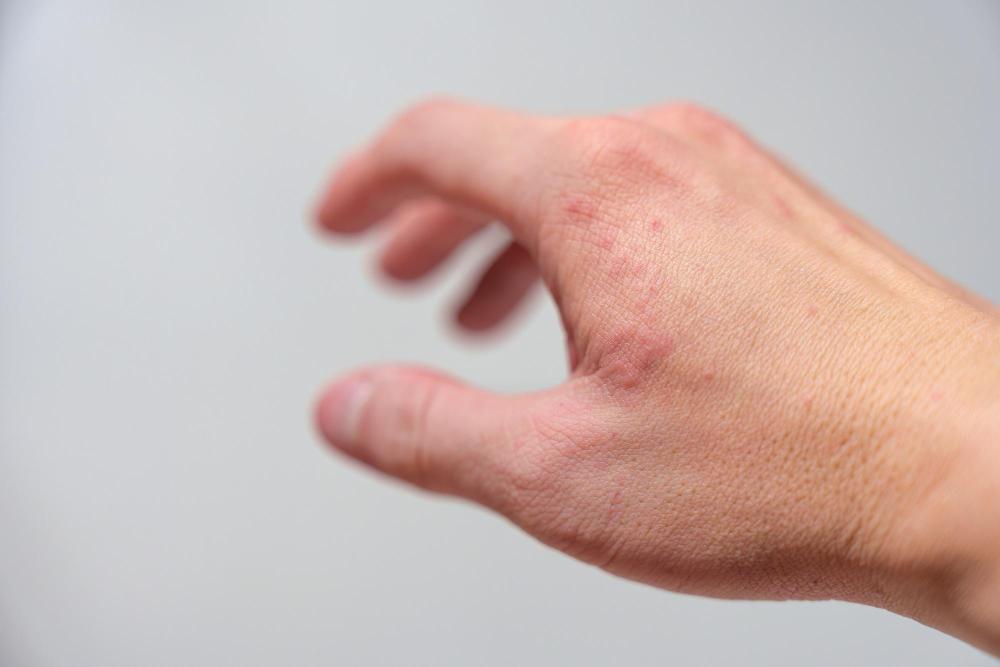
In short: Psoriasis is an immune-mediated condition that can cause well-defined scaly patches, scalp disease, nail changes and sometimes joint inflammation. It is not contagious and cannot be confirmed from a photo alone. A dermatologist should assess persistent or widespread rash, nail damage, genital involvement or symptoms suggesting psoriatic arthritis.
Key takeaways
- Psoriasis can appear red on lighter skin and purple, grey or dark brown on deeper skin tones.
- Triggers vary and can include stress, infection, skin injury, smoking, alcohol and some medicines.
- Do not stop a prescribed medicine suddenly because you suspect it triggered a flare.
- Morning joint stiffness, swollen fingers or toes, heel pain or joint swelling needs medical attention.
How psoriasis may present
Plaque psoriasis commonly causes raised, well-defined patches with scale on elbows, knees, scalp or trunk. The scale may look silvery, but colour varies with skin tone. Scalp psoriasis can extend beyond the hairline and may be confused with dandruff or seborrhoeic dermatitis.
Nails can develop pits, lifting, thickening or colour change. Inverse psoriasis affects folds and may have less scale. Guttate psoriasis can appear as many small spots after an infection such as strep throat. Fungal infection and eczema can mimic several of these patterns.
Triggers are personal
A trigger does not cause every case, and the same trigger will not affect everyone. Commonly reported triggers include stress, skin injury, infection, cold dry weather, tobacco, heavy alcohol use and certain medicines.
Keep a simple flare diary with dates, illness, medicines, sleep, stress and photographs. Avoid restrictive diets or unverified supplements unless a qualified clinician identifies a need.
| Possible trigger | Useful response | Avoid |
|---|---|---|
| Infection | Seek testing or treatment when indicated | Self-prescribing antibiotics |
| Skin injury or sunburn | Protect skin and treat wounds | Intentional burning or harsh scrubs |
| Stress and poor sleep | Use practical stress and sleep support | Blaming yourself for flares |
| Medicine | Discuss with prescriber | Stopping medication abruptly |
Why early assessment matters
Psoriasis ranges from a few patches to extensive disease that affects sleep, confidence, work and relationships. Treatment can include topical medicines, phototherapy, tablets or injectable biologic therapy depending on severity, sites and health history.
A dermatologist should also ask about joints. Psoriatic arthritis can damage joints if untreated. Skin severity does not always predict joint involvement.
When to seek urgent help
Promptly seek care for a rapidly spreading red or pustular rash, fever, feeling very unwell, severe pain or extensive skin shedding. These are not routine cosmetic concerns.
For day-to-day care, use gentle moisturising and avoid picking scale. Ask before having peels, lasers, tattooing or other procedures over active plaques because skin injury can trigger new lesions in some people.
A consultation at The Reformery
At The Reformery in Dubai Hills Estate, treatment planning starts with a consultation and skin assessment. The clinician can confirm the diagnosis or concern, review medical history and recent sun exposure, explain realistic options and agree on aftercare. Booking a consultation does not commit you to a procedure. You can also WhatsApp us.
Frequently asked questions
Is psoriasis contagious?
No. Psoriasis is immune-mediated and cannot spread through touch, shared towels or swimming.
Can psoriasis start in your twenties?
Yes. It can begin at many ages, including young adulthood. A clinician should confirm the diagnosis because several rashes look similar.
Does stress cause psoriasis?
Stress can trigger or worsen flares in some people, but it is not the sole cause and a flare is not a personal failure.
Can psoriasis affect joints?
Yes. Joint pain, swelling, prolonged morning stiffness, heel pain or swollen fingers and toes can indicate psoriatic arthritis and should be assessed.
Can I have aesthetic treatments over psoriasis?
Avoid treating active plaques without medical clearance. Skin injury can trigger new psoriasis in some people, and treatment may need to wait until disease is controlled.
Medical disclaimer
This article is for general information and does not replace an examination, diagnosis or personalised medical advice. Suitability, risks, treatment settings, recovery and results vary. Seek prompt medical care for severe pain, spreading redness, fever, vision changes, breathing difficulty or another urgent symptom.
Sources
- American Academy of Dermatology: Psoriasis causes and triggers — common triggers and individual variability
- The Reformery: Medical dermatology — verified psoriasis service
- American Academy of Dermatology: Psoriasis resource centre — symptoms, diagnosis and treatment context
