
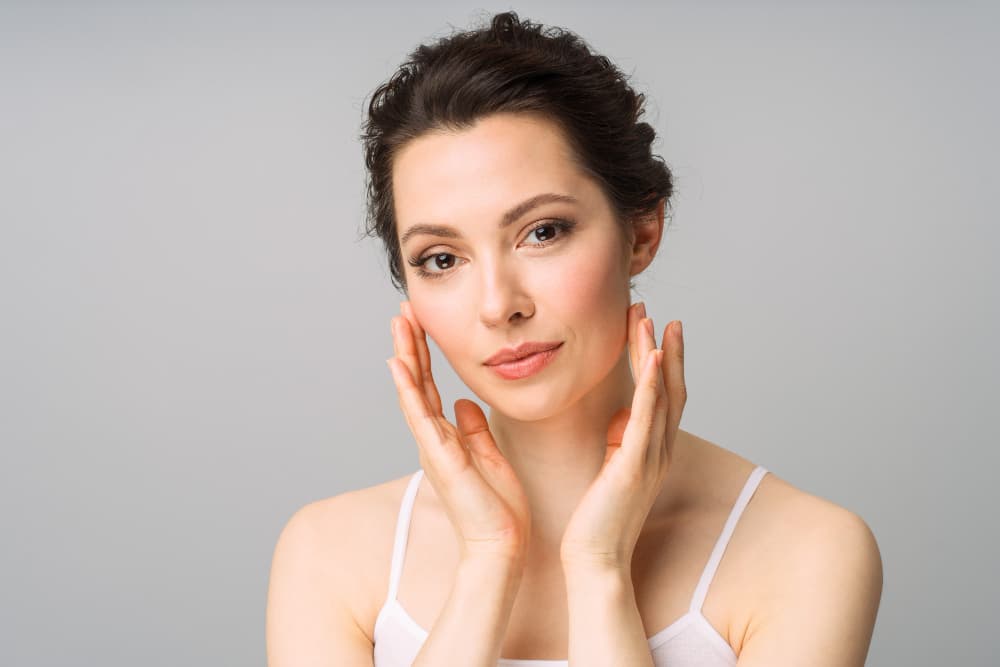
There is a noticeable difference between skin that has been temporarily polished and skin that is functioning more effectively. A facial may leave the complexion looking fresh for an evening, but medical-grade skin rejuvenation treatments are designed to influence the biological processes behind texture, firmness, pigmentation and repair.
That does not mean pushing the skin through the strongest possible procedure. In fact, successful rejuvenation is usually far more considered than that. It begins with understanding what has changed within the skin, selecting an appropriate treatment depth and allowing enough time for the body’s natural repair response to develop.
At The Reformery, this evidence-led approach helps turn a crowded treatment menu into a personalised plan. Here is what is really happening beneath the surface.
What makes a skin treatment “medical-grade”?
“Medical-grade” is not simply another way of saying intensive. It generally describes treatments performed in a clinical setting using professional technologies, controlled treatment parameters and a plan based on an individual assessment.
These treatments can target different layers of the skin. Some work primarily at the surface, where dead cells and excess pigment can make the complexion appear dull or uneven. Others deliver controlled energy or create microchannels below the surface to encourage collagen renewal.
The important word is controlled. Heat, exfoliation or microscopic injury can prompt repair, but the dose must be appropriate for the person’s skin type, concern and medical history. More energy or deeper treatment does not automatically produce a better result. It may simply increase irritation, downtime or the risk of post-inflammatory pigmentation.
That is why medical-grade skin rejuvenation treatments should begin with a professional consultation rather than a trend, a device name or someone else’s before-and-after photograph.
The biology of skin ageing and renewal
Skin is an active organ. Its outer barrier is constantly renewing itself, while fibroblast cells in the dermis help produce collagen, elastin and other components of the extracellular matrix.
Over time, this activity slows. Natural ageing, ultraviolet exposure, pollution, smoking, stress and hormonal changes can all affect how skin looks and behaves. Collagen becomes less abundant and organised, cell turnover may become slower, and pigment production can become uneven. The result may be fine lines, laxity, roughness, enlarged-looking pores or areas of discolouration.
Dubai adds its own environmental pressures. Strong year-round ultraviolet exposure and the repeated shift between outdoor heat and air-conditioned interiors can leave skin feeling dry, reactive or uneven. This is one reason interest in skin rejuvenation in Dubai is often about skin health as much as appearance.
Medical-grade treatments use several different mechanisms to address these changes. Some remove damaged surface cells. Some generate carefully controlled heat. Others initiate a wound-healing response without removing a full layer of skin. The common goal is to encourage healthier renewal while protecting the surrounding tissue.
Laser resurfacing: controlled renewal at precise depths
Laser technology uses specific wavelengths of light to create a predictable effect in the skin. Depending on the platform and settings, a laser may target water within the tissue, excess pigment or another selected chromophore.
Fractional resurfacing treats microscopic columns of skin while leaving areas between them intact. Those untreated areas assist the healing process, making it possible to stimulate renewal without treating the entire surface at once. As the skin repairs itself, collagen remodelling can gradually improve the appearance of fine lines, acne scars, rough texture and uneven tone.
The Reformery offers several options for people researching laser skin resurfacing in Dubai. Alma Hybrid laser resurfacing combines ablative and non-ablative technologies, allowing treatment to be adjusted around concerns such as texture, pigmentation, pores and early skin laxity.
Another option, iPixel Harmony, uses fractional laser technology to support resurfacing and collagen production. The correct choice depends on factors including the concern being treated, skin tone, acceptable downtime and previous treatment history.
Results are not always immediate. Redness and temporary roughness can appear first, while collagen remodelling continues over the following weeks and months. Sun protection is particularly important before and after laser treatment because ultraviolet exposure can interfere with recovery and contribute to further pigmentation.
Radiofrequency: using heat to support collagen remodelling
Radiofrequency treatments use electrical energy to produce controlled heat within the tissue. When the target temperature is reached and maintained safely, that thermal effect can encourage existing collagen fibres to contract and may stimulate a longer-term remodelling response.
Unlike a resurfacing laser, radiofrequency does not rely on a specific target pigment. It can be useful when the main concerns include mild laxity, reduced firmness or a less defined appearance.
RF Forma skin tightening is a non-invasive option available at The Reformery. The handpiece delivers radiofrequency energy while temperature monitoring helps keep treatment controlled and comfortable. Changes tend to develop progressively rather than appearing as an artificial or sudden transformation.
For patients whose concerns include texture or acne scarring as well as firmness, Microplasma Alma PrimeX combines radiofrequency-based microplasma technology with a skin-renewal response. These are both examples of collagen stimulation treatments, but they do not serve exactly the same purpose. A consultation helps establish whether surface renewal, deeper firming or a combination is more appropriate.
Microneedling: small channels, purposeful repair
Microneedling uses fine, sterile needles to create controlled microchannels in the skin. These tiny injuries activate a natural healing cascade. Growth factors are released, fibroblasts become involved in repair, and new collagen and elastin can develop over time.
This mechanism makes professional microneedling relevant to concerns such as acne scarring, uneven texture, fine lines and enlarged-looking pores. Needle depth and treatment intensity can be varied by area and indication, which is one reason a clinical procedure differs from casual at-home needling.
Some protocols may combine microneedling with carefully selected topical products or other regenerative approaches. However, creating channels in the skin also means hygiene and product suitability matter. Not every serum belongs beneath the skin barrier, and more frequent treatment is not necessarily more effective. The tissue needs adequate time to complete its repair cycle.
Chemical peels: carefully managed exfoliation
A professional chemical peel applies a selected acid or combination of acids to loosen bonds between skin cells and create controlled exfoliation. Superficial peels generally focus on brightness, congestion and mild unevenness. Deeper peels can create more substantial renewal, but they also involve greater downtime and require stricter patient selection.
The choice of solution, concentration, pH, application time and number of layers all affect the depth of a peel. Skin type matters too. A person prone to pigmentation may need a different preparation and recovery plan from someone seeking help with congestion or fine surface lines.
A personalised chemical peel in Dubai can be used to address dullness, post-acne marks, uneven tone and rough texture. The science may sound straightforward—remove old surface cells so newer ones become visible—but safe peeling depends on precision. Over-exfoliation can damage the barrier and trigger inflammation, which is the opposite of healthy rejuvenation.
HydraFacial: exfoliation, extraction and hydration
Not every treatment needs to generate a strong repair response. Sometimes the immediate priority is clearing surface debris, improving hydration and supporting a compromised barrier.
HydraFacial treatment combines cleansing, gentle exfoliation, extraction and serum delivery in a multi-step procedure. It does not remodel skin in the same way as a fractional laser or deep radiofrequency treatment. Its value lies in a different role: refreshing the surface, helping congested pores and improving short-term hydration with little or no downtime.
That distinction matters. A well-designed rejuvenation plan may use different treatments for different jobs rather than expecting one device to solve every concern.
Why assessment matters more than the latest device
Two people can describe the same concern—perhaps pigmentation or “tired-looking” skin—while having very different underlying causes. Brown marks may relate to sun exposure, post-inflammatory pigmentation or melasma. Fine lines may be influenced by dehydration, collagen loss or repeated muscle movement. Acne scarring can also vary in shape and depth.
Treating the description without examining the skin can lead to disappointing results. It may even aggravate the problem.
A consultation through The Reformery’s medical dermatology service allows the skin to be assessed in context. Relevant factors can include current skincare, medication, active acne, previous procedures, sun exposure, pregnancy, healing history and the tendency to develop pigmentation or scarring.
From there, a plan can address both the visible concern and the skin’s capacity to recover.
What should a realistic treatment plan include?
Good rejuvenation is usually progressive. Depending on the treatment, a plan may involve one procedure, a short course or maintenance sessions spaced over time. It should also account for home care, particularly gentle cleansing, moisturising and consistent broad-spectrum sun protection.
Temporary redness, swelling, sensitivity, flaking or dryness can occur after some procedures. The expected recovery period should be discussed beforehand, along with what to avoid and when to seek advice. Results vary according to age, skin condition, lifestyle, treatment intensity and adherence to aftercare.
It is also worth remembering that visible improvement and biological change do not always follow the same timetable. Hydration can create a quick glow. Collagen remodelling is slower. Pigmentation may require a cautious, staged approach. Patience is not an inconvenience in skin rejuvenation; it is often part of the science.
Choosing medical-grade skin rejuvenation treatments in Dubai
The most sophisticated treatment is not automatically the right one. What matters is whether the technology matches the concern, whether the settings suit the skin and whether the treatment fits comfortably into the patient’s lifestyle and recovery expectations.
At The Reformery Clinic, medical-grade skin rejuvenation treatments can be planned around texture, pigmentation, scarring, hydration and firmness rather than applied as a standard package. That individual approach is especially valuable in Dubai, where strong sun exposure and diverse skin tones make thoughtful assessment and aftercare essential.
Healthy-looking skin is rarely the result of one dramatic intervention. More often, it comes from accurate diagnosis, measured treatment and consistent protection between appointments.
If you are unsure whether resurfacing, radiofrequency, microneedling, a peel or a gentler facial is the right starting point, book a consultation with The Reformery. A professional assessment can help you understand what your skin actually needs—and what it does not.
