
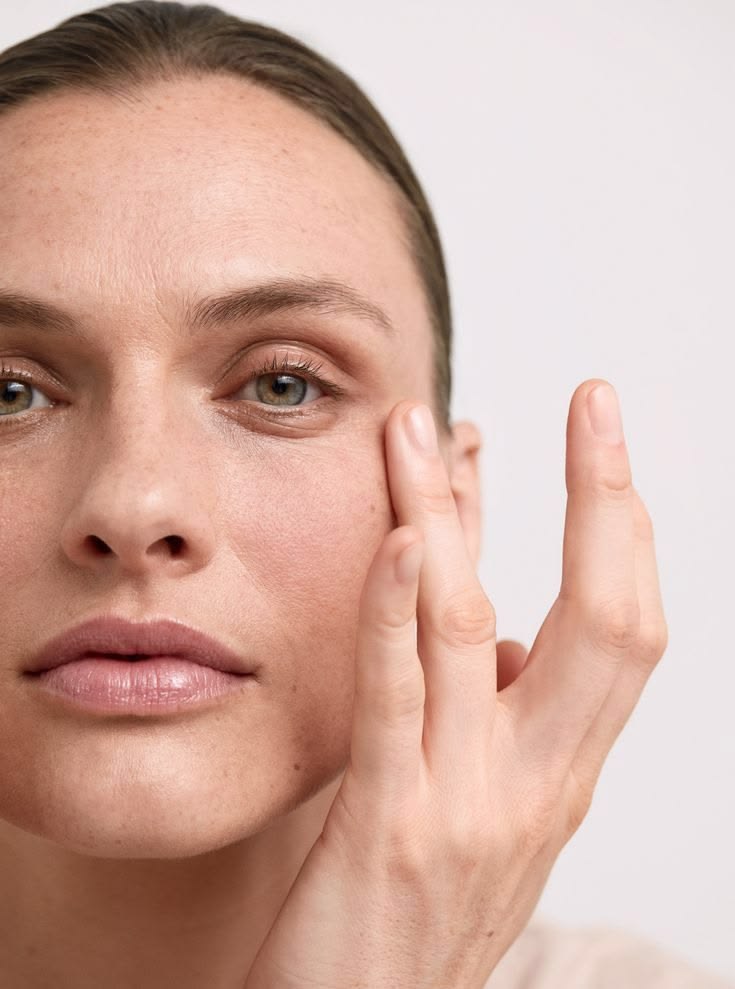
The skin beneath the eyes has a habit of revealing everything: a late night, a long flight, dehydration or simply the passing of time. It is thinner than skin on much of the face, with less structural support, so fine lines and a papery texture can appear early. Concealer may soften the shadows, but it can also settle into those lines by lunchtime.
That helps explain the interest in undereye salmon DNA, an injectable treatment designed to improve skin quality rather than facial shape. Despite the headline-grabbing name, it uses purified DNA fragments called polynucleotides, usually obtained from salmon or trout and processed for medical or aesthetic use.
Is it a shortcut to fresher-looking eyes? Not quite. Polynucleotides may support hydration, elasticity and smoother texture, but they are not a cure-all for every dark circle or hollow.
What is undereye salmon DNA?
Undereye salmon DNA is a skin-quality treatment that places purified polynucleotides into the delicate skin around the eyes through a series of small injections. Polynucleotides are chains of nucleotides, the building blocks of DNA. In aesthetic medicine, they are used with the aim of supporting the skin’s repair environment and improving its overall condition over time.
“Salmon DNA” is therefore a memorable nickname, not a complete scientific description. You may also hear the treatment called PN therapy, PDRN therapy or a polynucleotide skin booster. These terms are sometimes used interchangeably in conversation, although PN and PDRN are not chemically identical and individual products differ in formulation, concentration and intended use. A proper consultation should identify the exact product being recommended.
The Reformery’s guide to skin booster treatments in Dubai explains how skin-quality treatments differ from conventional volumising procedures.
How do polynucleotide injections work beneath the eyes?
The aim of polynucleotide injections is gradual biorevitalisation. The product is thought to support fibroblast activity and the extracellular matrix—the framework associated with collagen, elastin and skin resilience. Polynucleotides also bind water, which may help hydration.
In practical terms, the desired change is not a different eye shape or added cheek volume. It is skin that looks a little less crepey, reflects light more evenly and feels better hydrated. Results develop progressively as the skin responds; this is not the instant structural correction associated with filler.
The evidence is encouraging, but limited. A systematic review of polynucleotides in aesthetic medicine reported promising changes in wrinkles, texture and elasticity; however, its nine studies included only 219 patients and were of low or moderate quality. A randomised split-face trial of 27 people found improvements with both polynucleotides and non-cross-linked hyaluronic acid. Larger, longer studies are still needed.
What can undereye salmon DNA realistically improve?
For the right person, undereye salmon DNA may help improve:
- Fine, etched lines caused or emphasised by dehydration
- Thin or crepey-looking under-eye skin
- A dull, tired appearance linked to poor skin quality
- Mild loss of elasticity
- Uneven texture around the lower eyelid area
The operative phrase is “may help”. Brown pigmentation, visible vessels, allergies, shadow from a tear trough and prominent fat pads can look similar but require different plans.
If the concern is mainly a true hollow, filler may be discussed. If pigmentation or a skin condition drives the colour, assessment is more useful than automatically booking an injectable. A consultation separates texture problems from volume, vascular or pigment concerns.
Is salmon DNA the same as under-eye filler?
No. This distinction matters.
Under-eye filler is generally chosen to restore or redistribute volume and soften a structural hollow. Polynucleotide treatment is selected to improve the quality of the skin itself. It is not intended to fill a pronounced tear trough, remove an eye bag or dramatically lift loose skin.
Think of filler as architecture and polynucleotides as skin conditioning. Some patients need one, some may suit a carefully sequenced combination, and others need a different approach. The Reformery’s guide to Botox versus dermal fillers explains how injectable categories solve different concerns.
What happens during an under-eye rejuvenation appointment?
Every under-eye rejuvenation plan should begin with a medical consultation covering your anatomy, skin, health, medication and previous treatments. This matters around the eyes, where tissue is delicate and anatomy is complex.
If treatment is appropriate, the skin is cleansed and a topical numbing product may be used. Small amounts of the selected polynucleotide formulation are then placed at planned points with a fine needle or cannula, depending on the product and practitioner’s technique. The appointment itself is usually straightforward, but tiny raised bumps can be visible immediately afterwards.
A course is often recommended. Session number and spacing vary by product and skin condition, so a fixed schedule should not be promised before assessment. Improvements tend to appear gradually, with maintenance based on your response.
Is there downtime or discomfort?
Expect the possibility of temporary swelling, redness, tenderness, bruising or small bumps at the injection points. The under-eye area can swell more noticeably than other parts of the face, even when treatment has been performed carefully. Most routine reactions settle, but the exact timing varies from person to person.
Plan around major events and follow your clinician’s aftercare. Do not massage the area or apply strong actives unless advised. Increasing pain, marked discolouration, visual symptoms or excessive swelling requires prompt clinical advice.
As with any injectable, there are uncommon but potentially important risks, including infection and vascular complications. The eye area should only be treated by a qualified medical practitioner who understands periorbital anatomy and can manage complications. “Minimal downtime” should never be mistaken for “zero risk”.
Who may not be suitable for salmon DNA treatment?
Suitability depends on the person and product. Treatment may be postponed or avoided during pregnancy or breastfeeding, with active local infection or inflammation, or where an allergy or medical condition creates concern. Prescribed medicine should never be stopped without guidance.
Because these products are commonly derived from fish, disclose any fish allergy and ask your practitioner to explain the source, purification, ingredients and regulatory status of the exact formulation. A reputable salmon DNA treatment in Dubai should include informed consent, realistic outcomes and a clear aftercare plan—not simply a discussion about trends.
How does it fit with other skin treatments?
Dehydration, sun exposure and collagen change affect the whole face, so polynucleotides may sit within a broader plan. The Reformery offers anti-ageing injections and other regenerative options; the right sequence depends on your skin.
Patients exploring skin boosters in Dubai may benefit from treating general hydration while using an eye-specific formulation around the eyes. Others may need pigment management, resurfacing or simply consistent sunscreen. Combining treatments only makes sense when each step has a defined purpose.
The Reformery’s guide to regenerative aesthetic treatments is a helpful next read for anyone interested in gradual skin-quality improvements rather than a change in facial proportions.
Is undereye salmon DNA worth it?
Undereye salmon DNA can be worth considering when the main concern is fine lines, dehydration or crepey texture and the goal is a subtle, progressive improvement. It is less likely to satisfy someone seeking an instant correction for deep hollows, prominent eye bags or pigment-driven dark circles.
The best results begin with the right diagnosis. A clinician should explain the cause, why a product is appropriate, likely sessions and side effects, and relevant alternatives.
At The Reformery in Dubai Hills Estate, treatment planning begins with an individual assessment rather than a one-size-fits-all package. If your under-eye area looks tired even when you are not, contact The Reformery to discuss whether polynucleotides, another skin booster or a different treatment is the sensible next step.
Frequently asked questions
Does salmon DNA change your DNA?
No. The product contains purified fragments used locally in the skin; it is not gene therapy and is not designed to rewrite your genetic code.
Can salmon DNA remove dark circles?
It may improve the look of darkness when thin, dehydrated or poor-quality skin is a contributing factor. It cannot reliably correct every cause of dark circles, including deep hollows, prominent vessels or excess pigment.
How quickly will I see a result?
This is usually a gradual treatment. Hydration may be noticed first, while changes in texture and fine lines can take several weeks. Timing varies with the product, treatment plan and individual response.
How long do results last?
There is no universal duration. Product choice, treatment course, age, sun exposure, smoking, skincare and individual biology all influence longevity. Your clinician can recommend maintenance after reviewing your response.
Is undereye salmon DNA better than filler?
Neither is universally better. Polynucleotides primarily target skin quality; filler primarily addresses selected volume deficits. The better option is the one matched to the actual cause of your concern.
This article is for general education and does not replace an individual medical consultation.
