
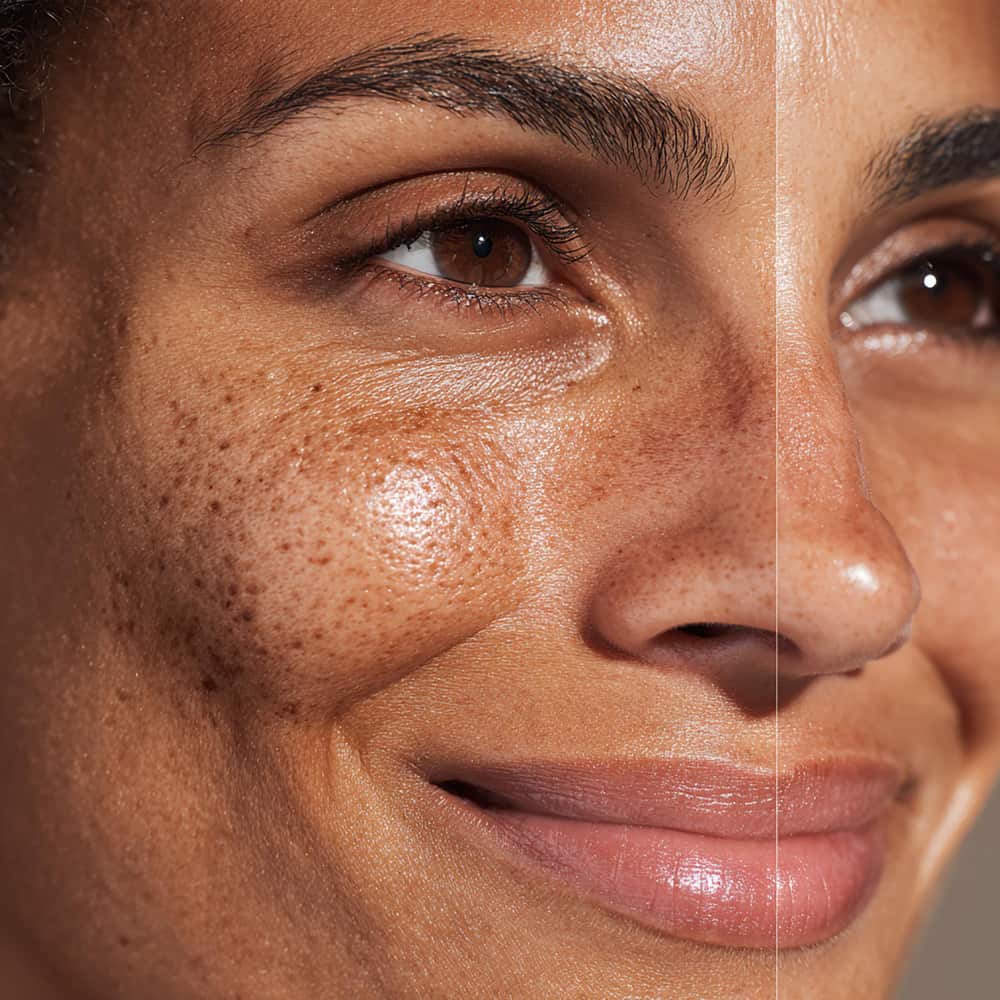
Skin pigmentation is one of the most common concerns seen in aesthetic clinics today. For many people, pigmentation develops gradually. A few dark spots after sun exposure may not seem significant at first, but over time these changes can become more noticeable and difficult to manage without professional help.
The good news is that modern aesthetic medicine offers effective solutions for various forms of pigmentation. Understanding why pigmentation develops is the first step toward choosing the right treatment and preventing future discoloration.
What Is Skin Pigmentation?
Skin pigmentation refers to the natural coloring of the skin, which is determined by a pigment called melanin. Melanin is produced by specialized cells known as melanocytes.
Melanin plays an important protective role by helping shield the skin from ultraviolet (UV) radiation. However, when melanin production becomes uneven or excessive, darker patches or spots can appear on the skin.
This condition is commonly known as hyperpigmentation.
Hyperpigmentation can affect people of all skin types and tones, although certain forms may be more common in individuals with darker complexions.
Common Types of Skin Pigmentation
Identifying the specific type is essential because different causes often require different treatment approaches.
Melasma
Melasma appears as symmetrical brown or grey-brown patches, typically on the cheeks, forehead, upper lip, and chin.
It is often linked to:
- Hormonal changes
- Pregnancy
- Birth control medications
- Sun exposure
- Genetics
Melasma can be challenging to treat because it tends to recur if triggers are not controlled.
Sunspots
Also known as age spots or solar lentigines, sunspots develop after years of UV exposure.
They commonly appear on:
- Face
- Hands
- Chest
- Shoulders
- Forearms
These spots become more common with age and prolonged sun exposure.
Post-Inflammatory Hyperpigmentation (PIH)
PIH occurs after skin inflammation or injury.
Common triggers include:
- Acne breakouts
- Eczema
- Burns
- Skin irritation
- Cosmetic procedures
After the skin heals, excess melanin can remain in the affected area, leaving dark marks behind.
Freckles
Freckles are small pigmented spots often influenced by genetics and sun exposure.
While harmless, some individuals seek treatment to reduce their appearance for cosmetic reasons.
What Causes Skin Pigmentation?
Understanding skin pigmentation causes can help individuals take preventive measures and seek appropriate care.
Sun Exposure
UV radiation is one of the leading causes of pigmentation.
When the skin is exposed to sunlight, melanocytes increase melanin production as a defense mechanism. Repeated exposure can result in persistent dark spots and uneven pigmentation.
Hormonal Changes
Hormonal fluctuations can significantly affect melanin production.
Common hormonal triggers include:
- Pregnancy
- Menopause
- Hormonal therapies
- Oral contraceptives
These changes often contribute to melasma.
Acne and Skin Inflammation
Any condition that causes inflammation can stimulate excess pigment production.
Acne is one of the most common causes of pigmentation, especially when blemishes are squeezed or picked.
Aging
As skin ages, years of cumulative sun exposure become more visible.
Pigmentation changes often emerge gradually and become increasingly noticeable over time.
Genetics
Some individuals are genetically predisposed to developing pigmentation disorders.
Family history can influence susceptibility to melasma, freckles, and certain forms of hyperpigmentation.
Environmental Factors
Pollution, heat exposure, and oxidative stress may contribute to pigment formation and worsen existing discoloration.
How to Prevent Skin Pigmentation
While not all pigmentation can be prevented, several habits can significantly reduce the risk of developing new spots and patches.
Wear Sunscreen Daily
This remains the single most effective preventive measure.
Choose a broad-spectrum sunscreen with SPF 30 or higher and reapply throughout the day when outdoors.
Many pigmentation treatment plans fail because sun protection is inconsistent.
Avoid Excessive Sun Exposure
Seek shade during peak sunlight hours and wear protective clothing, hats, and sunglasses whenever possible.
Treat Acne Early
Prompt management of acne can help minimize the risk of post-inflammatory hyperpigmentation.
Avoid picking or squeezing blemishes, which increases inflammation and pigment formation.
Use Medical-Grade Skincare
Products containing ingredients such as:
- Vitamin C
- Niacinamide
- Azelaic acid
- Retinol
can help support a brighter and more even complexion while reducing the risk of future pigmentation.
Schedule Professional Skin Assessments
Advanced skin analysis technology can identify underlying pigmentation before it becomes visible on the surface.
Professional Hyperpigmentation Treatment Options
When topical products are not enough, professional treatments can target pigmentation more effectively.
The best approach depends on the type, depth, and cause of pigmentation.
Advanced Skin Analysis
Before beginning treatment, a comprehensive skin assessment is essential.
Modern diagnostic systems can evaluate:
- Pigment depth
- Sun damage
- Skin health
- Underlying discoloration
This allows practitioners to create a personalized treatment plan rather than relying on a one-size-fits-all approach.
Chemical Peels
Chemical peels exfoliate damaged skin cells and encourage cellular renewal.
Benefits include:
- Brighter skin tone
- Reduction in superficial pigmentation
- Improved skin texture
- Enhanced skincare absorption
Several sessions may be recommended depending on the severity of pigmentation.
Laser Treatments
Laser technology is one of the most effective solutions for targeted pigmentation removal Dubai patients frequently seek.
Lasers work by breaking down excess pigment while preserving surrounding tissue.
Depending on the type of pigmentation, different laser systems may be recommended.
Skin Rejuvenation Treatments
Advanced skin rejuvenation devices can improve pigmentation while also addressing:
- Fine lines
- Texture irregularities
- Enlarged pores
- Skin laxity
This makes them attractive options for individuals seeking overall skin improvement.
Medical-Grade Skincare Programs
Professional skincare remains a critical part of any hyperpigmentation treatment plan.
Customized protocols may include:
- Brightening serums
- Pigment inhibitors
- Antioxidants
- Retinoids
- Sun protection products
Consistent home care helps maintain clinical results and reduce recurrence.
Why Personalized Treatment Matters
One of the biggest misconceptions about pigmentation is that every dark spot should be treated the same way.
In reality, treatment success depends on understanding:
- The type of pigmentation
- How deep the pigment is located
- Skin tone
- Lifestyle factors
- Hormonal influences
A personalized plan developed after thorough assessment often delivers safer and more predictable outcomes.
How Long Does It Take to See Results?
Results vary based on several factors, including the severity of pigmentation and the chosen treatment method.
The most successful outcomes typically come from combining:
- Professional treatments
- Medical-grade skincare
- Daily sun protection
- Lifestyle adjustments
Patience and consistency are key when addressing pigmentation concerns.
When Should You Seek Professional Help?
If pigmentation becomes more noticeable, continues to spread, or does not respond to over-the-counter products, a professional consultation may be beneficial.
Early evaluation can help determine:
- The underlying cause
- The most effective treatment strategy
- Whether preventive measures are sufficient
- How to achieve long-lasting improvement
The sooner pigmentation is addressed, the easier it often is to manage.
Final Thoughts
Skin pigmentation is a common concern, but it does not have to be a permanent one. Whether caused by sun exposure, hormones, acne, aging, or genetics, understanding the root cause is essential for selecting the right treatment.
Today’s advanced aesthetic technologies, combined with personalized skincare strategies, provide more options than ever before for improving uneven skin tone and restoring confidence.
At The Reformery Clinic, comprehensive skin assessments and customized treatment plans help ensure that every patient receives care tailored to their unique skin concerns. By combining prevention, professional treatments, and ongoing maintenance, clearer and healthier-looking skin can become an achievable long-term goal.
