
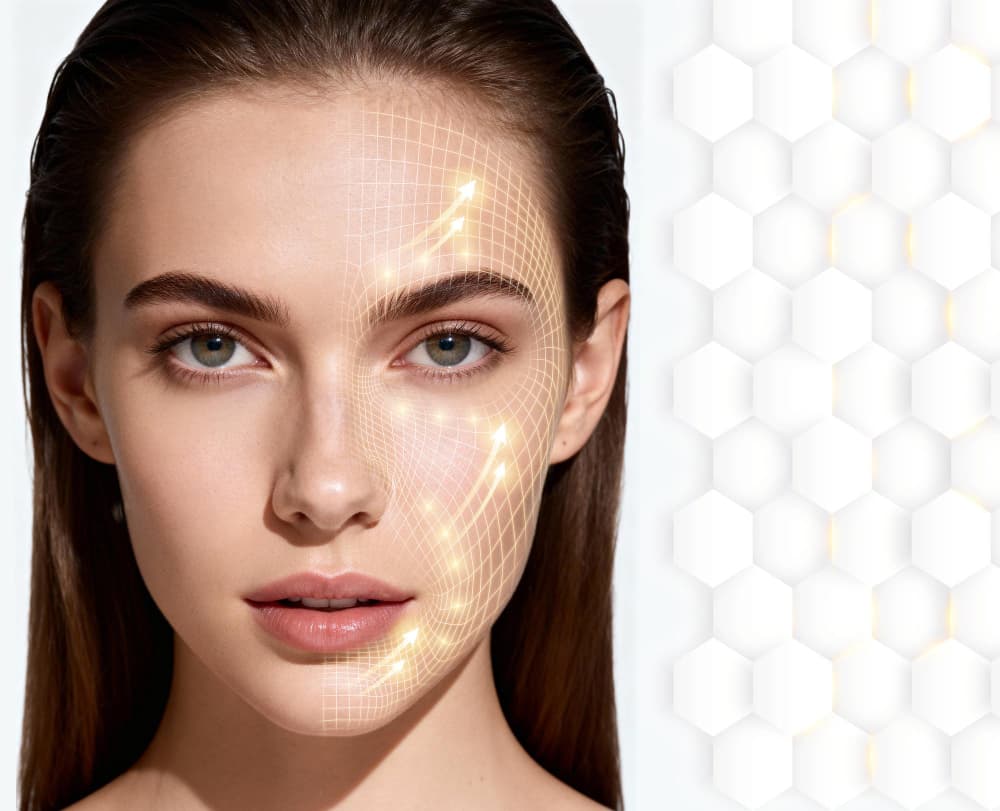
When it comes to skincare, one size rarely fits all.
Two people may have similar concerns—such as pigmentation, acne scars, fine lines, or dryness—but the underlying causes can be completely different. This is why personalized skincare has become one of the most important developments in modern aesthetic medicine. Instead of relying on assumptions or generic recommendations, today’s clinics use advanced technology to understand the skin at a much deeper level.
A personalized skin treatment plan is no longer based solely on what can be seen with the naked eye. Modern diagnostic tools can reveal hidden concerns beneath the skin’s surface, measure skin health with remarkable accuracy, and help practitioners design treatments that are tailored to each individual.
At The Reformery Clinic, technology plays a central role in creating customized treatment strategies that address each patient’s unique skin profile. By combining professional expertise with advanced skin analysis technology, treatment decisions become more precise, predictable, and effective.
Why Personalization Matters in Skincare
Every person’s skin is influenced by a combination of factors, including genetics, age, lifestyle, sun exposure, hormones, stress levels, and environmental conditions.
Because of these variables, two patients with similar visible concerns may require entirely different treatment approaches.
For example:
- One person’s pigmentation may be caused by sun damage.
- Another person’s pigmentation may be linked to hormonal changes.
- Fine lines may result from aging, dehydration, or repetitive facial movements.
- Acne may stem from excess oil production, inflammation, bacteria, or compromised skin barriers.
Without a thorough assessment, treatments may address the symptoms rather than the root cause.
A personalized skin treatment plan helps identify these underlying factors, ensuring that every treatment recommendation is relevant, targeted, and aligned with the patient’s goals.
The Evolution of Skin Assessment
Traditionally, skin assessments relied heavily on visual examination and patient discussions.
While experienced practitioners can identify many skin concerns during a consultation, some conditions develop beneath the surface long before they become visible.
Advancements in digital skin analysis now allow clinicians to evaluate skin health in ways that were impossible just a few years ago.
Modern skin analysis technology can assess:
- Skin texture
- Hydration levels
- Pore size
- Pigmentation patterns
- Sun damage
- Redness and vascular concerns
- Wrinkle development
- Skin elasticity
- Oil production
- Overall skin quality
This additional information creates a more complete picture of the skin and helps guide treatment decisions with greater accuracy.
How Skin Analysis Technology Works
Advanced skin assessment systems use high-resolution imaging, specialized lighting, and sophisticated software to evaluate different layers of the skin.
During the assessment process, multiple images are captured under various lighting conditions. These images reveal concerns that may not be visible under normal lighting.
The software then analyzes the data and produces a detailed report highlighting specific skin characteristics and areas of concern.
Some technologies can even compare current skin conditions with age-related benchmarks, helping patients understand how their skin is aging and where preventative treatments may be beneficial.
This objective data allows practitioners to move beyond guesswork and create evidence-based treatment recommendations.
Identifying Hidden Skin Concerns
One of the biggest advantages of digital skin analysis is its ability to detect concerns before they become obvious.
For example, a patient may feel that their skin looks healthy on the surface, yet technology may reveal:
- Early sun damage
- Developing pigmentation
- Dehydration beneath the skin barrier
- Emerging wrinkles
- Increased redness
- Congestion within pores
Identifying these concerns early creates opportunities for preventative care.
Rather than waiting for visible signs of aging or damage to appear, treatments can begin at an earlier stage, helping maintain healthier skin over time.
Building a Customized Skincare Treatment Strategy
Once the assessment is complete, the collected information becomes the foundation of a customized skincare treatment plan.
Instead of recommending treatments based solely on a single concern, practitioners can address multiple factors simultaneously.
For example, a patient presenting with dull skin may actually require treatment for:
- Dehydration
- Uneven skin texture
- Mild pigmentation
- Reduced collagen production
The resulting treatment plan may include a combination of procedures, professional skincare products, and lifestyle recommendations.
This comprehensive approach often delivers better outcomes than focusing on a single issue in isolation.
Matching Treatments to Individual Skin Needs
Technology helps practitioners determine which treatments are most suitable for each patient.
Depending on the assessment results, recommendations may include:
Skin Rejuvenation Treatments
Patients experiencing early signs of aging may benefit from treatments that stimulate collagen production and improve overall skin quality.
These procedures help enhance firmness, texture, and elasticity while supporting long-term skin health.
Pigmentation Treatments
For individuals with uneven skin tone or discoloration, treatment recommendations can be based on the depth and severity of pigmentation identified during analysis.
This allows practitioners to select the most appropriate approach while minimizing unnecessary treatments.
Hydration and Skin Quality Treatments
Some patients require intensive hydration rather than aggressive resurfacing procedures.
Technology can identify moisture deficiencies and help practitioners recommend treatments that strengthen the skin barrier and improve overall radiance.
Acne and Congestion Management
Detailed analysis can reveal areas of congestion, oil imbalance, and inflammation.
These insights help create targeted treatment plans that address both active breakouts and long-term skin health.
Tracking Progress Over Time
Another major advantage of advanced skin assessment technology is the ability to monitor progress objectively.
Many patients struggle to notice gradual improvements because changes occur slowly.
Digital imaging provides visual evidence of progress by comparing baseline images with follow-up assessments.
This allows practitioners and patients to evaluate:
- Reduction in pigmentation
- Improvement in skin texture
- Increased hydration
- Reduction in pore visibility
- Enhanced skin tone
- Softening of fine lines
Progress tracking also helps refine treatment plans when necessary, ensuring that care remains aligned with evolving skin needs.
Improving Treatment Predictability
One of the challenges in aesthetic medicine is managing expectations.
Every patient’s skin responds differently to treatment, and outcomes can vary depending on numerous factors.
By incorporating advanced skin assessment data into treatment planning, practitioners can make more informed recommendations and provide realistic expectations regarding results.
This improves communication between patient and practitioner while increasing confidence in the treatment process.
Patients gain a clearer understanding of:
- Their current skin condition
- Recommended treatment pathways
- Expected timelines
- Maintenance requirements
- Long-term skin health goals
The Role of Artificial Intelligence in Skin Analysis
Artificial intelligence is becoming increasingly important in aesthetic medicine.
Many modern skin analysis systems use AI-powered algorithms to process large amounts of skin data quickly and accurately.
These systems can identify patterns that may be difficult to detect through visual examination alone.
AI-supported analysis helps improve consistency, reduce subjectivity, and provide additional insights into skin health.
However, technology does not replace professional expertise.
The most effective results occur when advanced tools are combined with the clinical knowledge and experience of qualified practitioners who understand how to interpret the data and apply it appropriately.
Why Personalized Treatment Plans Deliver Better Results
Generic treatment recommendations often fail because they do not account for individual differences.
A personalized skin treatment plan considers:
- Skin type
- Age
- Medical history
- Lifestyle habits
- Environmental exposure
- Current skin condition
- Future skin goals
This tailored approach creates a more efficient pathway toward healthier skin.
Patients receive treatments that are specifically selected for their needs rather than following trends or generalized skincare advice.
As a result, treatment plans often become more effective, more targeted, and more sustainable over time.
The Future of Personalized Aesthetic Care
The future of skincare is increasingly data-driven.
As skin analysis technology continues to advance, practitioners will gain even greater insight into skin health, aging patterns, and treatment outcomes.
Patients can expect more accurate assessments, more personalized recommendations, and more precise treatment strategies than ever before.
Technology is helping shift aesthetic medicine away from standardized treatments and toward truly individualized care.
For anyone seeking long-term skin health and meaningful results, beginning with an advanced skin assessment is one of the smartest first steps.
Discover Your Skin’s Unique Needs at The Reformery Clinic
Healthy, radiant skin starts with understanding what your skin truly needs.
At The Reformery Clinic, advanced skin analysis technology helps create a personalized skin treatment plan designed specifically for your concerns, goals, and skin condition. Through detailed assessment and expert guidance, every recommendation is based on objective data and clinical expertise, ensuring a more targeted and effective approach to skin health.
Book a consultation today and discover how personalized skincare can help you achieve healthier, more confident-looking skin.
