
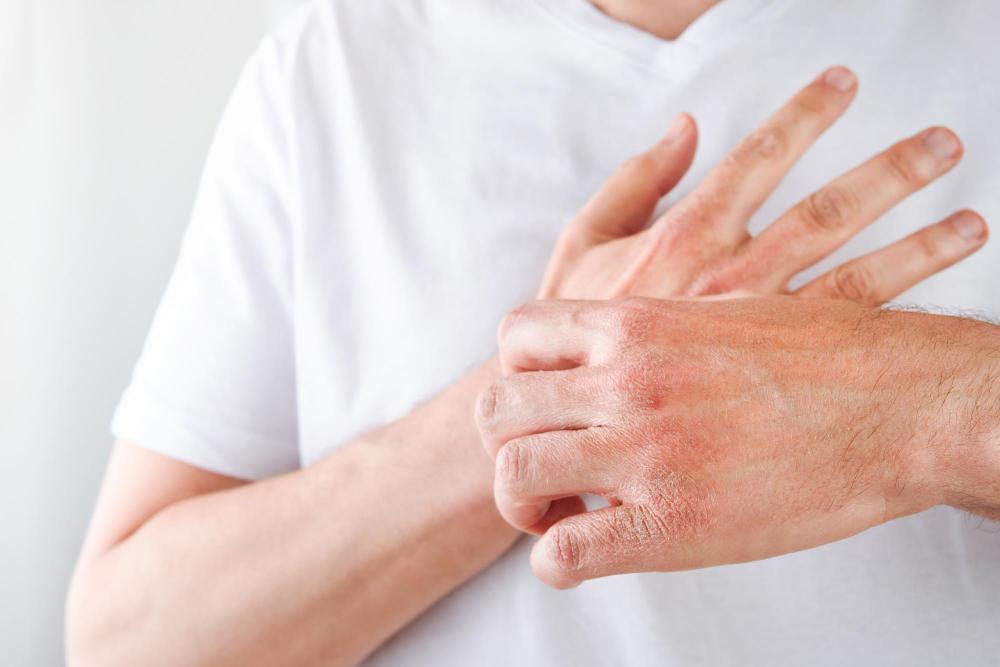
In short: Dry skin usually feels tight, rough or flaky and often improves with a fragrance-free cream or ointment. Eczema is an inflammatory condition that commonly causes persistent itch, recurring patches, colour change, cracking or oozing. A rash that spreads, disrupts sleep, returns repeatedly or shows signs of infection deserves a dermatologist’s assessment.
Key takeaways
- Itch that comes before the rash is common in atopic dermatitis.
- Eczema can look red on lighter skin and brown, purple or grey on darker skin.
- Yellow crust, increasing pain, warmth, pus or fever can signal infection.
- Avoid self-treating an unexplained rash with peels, lasers or fragranced products.
How ordinary dryness usually behaves
Dry skin develops when the outer layer loses too much water and oil. It may feel rough, tight or flaky, especially after hot showers, frequent cleansing, swimming, low humidity or long hours in air conditioning. It often affects several exposed areas and improves when irritants are reduced and a thick fragrance-free moisturiser is used consistently.
If dryness continues despite two weeks of careful moisturising, keeps returning in the same places or becomes intensely itchy, another condition may be involved. Medicines, contact allergy, psoriasis, fungal infection and systemic illness can also cause dry or scaly skin.
Clues that suggest eczema
Atopic dermatitis commonly causes intense itch, inflamed patches and a cycle of scratching and barrier damage. Skin can become thickened over time. Contact dermatitis can follow exposure to fragrance, preservatives, hair dye, cleaning products, metals or workplace substances. Distribution and timing often provide the clue.
Eczema is not contagious. It can occur at any age and may appear differently across skin tones. A dermatologist may diagnose it from the history and examination, but patch testing, scraping or biopsy is sometimes needed when the pattern is unclear.
| Feature | Simple dryness | Eczema or another rash |
|---|---|---|
| Itch | Mild to moderate | Often prominent or sleep-disrupting |
| Pattern | Broad rough or flaky areas | Recurring, localised or exposure-related patches |
| Skin change | Tightness and scale | Inflammation, cracks, thickening, oozing or colour change |
| Response | Usually improves with gentle care | May need diagnosis and prescribed treatment |
When to book and when to seek urgent care
Book a dermatologist if the rash is persistent, recurrent, widespread, painful, affecting the face or genitals, disrupting sleep, or not improving with gentle care. Also seek review if you cannot identify a trigger, if a child is affected, or if the rash began after a new medicine.
Seek prompt care for rapidly spreading redness, marked warmth, swelling, pus, golden crusts, fever or significant pain. Clusters of painful blisters with fever or feeling unwell can represent a serious infection in people with eczema and require urgent assessment.
What to do while waiting for an appointment
Use a short lukewarm shower, a mild fragrance-free cleanser only where needed, and apply a cream or ointment while skin is still slightly damp. Wear soft clothing and avoid new active skincare, perfume on the area, scrubs and essential oils.
Take clear photographs during a flare and note new products, jewellery, gloves, work exposures, medicines and travel. Do not share or borrow prescription steroid creams. Treatment strength and duration depend on the site, age and diagnosis.
A consultation at The Reformery
At The Reformery in Dubai Hills Estate, treatment planning starts with a consultation and skin assessment. The clinician can confirm the diagnosis or concern, review medical history and recent sun exposure, explain realistic options and agree on aftercare. Booking a consultation does not commit you to a procedure. You can also WhatsApp us.
Frequently asked questions
Can dry skin turn into eczema?
Dryness can weaken the barrier and worsen itch, but eczema is an inflammatory condition with multiple causes. Persistent or recurring rash should be diagnosed rather than labelled from appearance alone.
Is eczema contagious?
No. Atopic dermatitis and contact dermatitis do not spread from person to person. Some infections and fungal rashes can resemble eczema, which is one reason diagnosis matters.
Can I use a steroid cream from the pharmacy?
Ask a pharmacist or doctor first, especially for the face, eyelids, groin, children or an uncertain rash. The wrong strength or duration can cause harm or mask infection.
Does Dubai air conditioning cause eczema?
Air conditioning can reduce humidity and worsen dryness, but it does not by itself prove eczema. Friction, sweat, products, allergens and underlying inflammation may also contribute.
Should I stop all skincare during a flare?
Pause likely irritants and active products, but continue gentle cleansing and bland moisturising unless advised otherwise. Bring your product list to the appointment so the clinician can identify possible triggers.
Medical disclaimer
This article is for general information and does not replace an examination, diagnosis or personalised medical advice. Suitability, risks, treatment settings, recovery and results vary. Seek prompt medical care for severe pain, spreading redness, fever, vision changes, breathing difficulty or another urgent symptom.
Sources
- American Academy of Dermatology: Atopic dermatitis symptoms — signs, skin-tone differences and infection warnings
- American Academy of Dermatology: Dry skin overview — ordinary dryness and when medical review helps
- American Academy of Dermatology: Atopic dermatitis treatment — diagnosis, moisturising and treatment principles
