
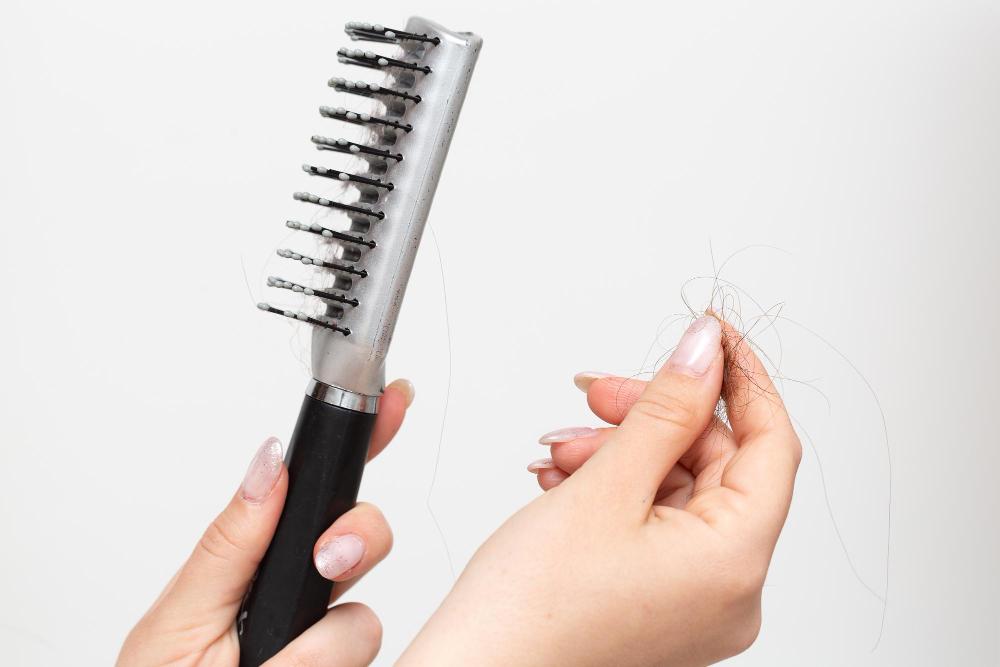
In short: Excess shedding and hair loss are not the same diagnosis. Telogen shedding often begins a few months after illness, childbirth, weight loss or major stress and may recover. Pattern hair loss, alopecia areata and scarring disorders need different treatment. A dermatologist should identify the cause before PRP, exosomes or supplements are considered.
Key takeaways
- A cause-based diagnosis is more useful than counting hairs in the shower.
- Patchy loss, scalp pain, scale, scarring or eyebrow loss warrants earlier review.
- Blood tests or a scalp biopsy are sometimes needed, but not for every patient.
- PRP evidence and regulatory status differ from exosome products; neither replaces diagnosis.
Shedding and loss describe different processes
A healthy scalp normally releases hairs each day. Telogen effluvium is excessive shedding that often appears two to three months after a stressor such as high fever, surgery, childbirth, rapid weight loss or severe stress. It can affect the whole scalp and may improve as the trigger resolves.
Hair loss means growth is reduced or follicles are being damaged. Pattern hair loss often develops gradually. Alopecia areata can cause sudden smooth patches. Traction and inflammatory or scarring alopecias need early recognition because delay can reduce the chance of preserving follicles.
| Pattern | Possible explanation | Why review matters |
|---|---|---|
| Diffuse shedding after a stressor | Telogen effluvium | Confirm trigger and exclude overlapping loss |
| Widening part or receding hairline | Pattern hair loss | Early treatment may preserve density |
| Round smooth patches | Alopecia areata | Needs diagnosis and disease-specific options |
| Pain, burning, scale or scarring | Inflammatory or scarring disorder | Earlier treatment can be important |
| Broken hairs at tight styles | Traction or breakage | Reduce tension and assess follicle damage |
What a dermatologist checks
The visit should cover timing, distribution, family history, recent illness, pregnancy, diet, weight change, menstrual or hormonal symptoms, medicines and hair practices. Examination of the scalp, nails and body hair can reveal clues. A gentle pull test or dermoscopy may be used.
Blood tests may be appropriate when deficiency, thyroid disease or hormonal imbalance is suspected. A scalp biopsy is reserved for selected uncertain or inflammatory cases. Routine panels and supplements without a clinical reason can waste time or cause harm.
Where PRP and exosomes fit
Platelet-rich plasma uses a person’s own concentrated platelets and has some evidence for selected pattern hair loss, although protocols and responses vary. It is an adjunct, not a universal cure. A clinician should explain preparation, number of sessions, risks and how progress will be measured.
Hair exosome products are marketed with regenerative claims, but products, processing and evidence vary, and regulatory status depends on jurisdiction and intended use. A vague label such as stem-cell derived does not establish safety or effectiveness. Ask exactly what product is proposed and whether its use is authorised in the UAE.
Red flags and next steps
Book promptly for sudden patches, loss of eyebrows or lashes, scalp pain, burning, pus, marked scale, scarring, a rapidly receding hairline or hair loss with systemic symptoms. Seek medical advice before stopping a suspected medicine.
Photograph the part and hairline monthly in the same lighting rather than daily. Bring previous results and a list of supplements. The treatment plan should name the diagnosis, expected course, first-line medical options and the role, if any, of procedures.
A consultation at The Reformery
At The Reformery in Dubai Hills Estate, treatment planning starts with a consultation and skin assessment. The clinician can confirm the diagnosis or concern, review medical history and recent sun exposure, explain realistic options and agree on aftercare. Booking a consultation does not commit you to a procedure. You can also WhatsApp us.
Frequently asked questions
How do I know if I am shedding too much?
A sudden increase across the whole scalp, especially a few months after illness, childbirth, surgery, weight loss or stress, can suggest telogen shedding. A dermatologist can check for overlapping pattern loss.
Should I take iron or biotin?
Only when a clinician identifies a need. Excess supplementation can cause side effects or interfere with tests, and it will not treat every cause of hair loss.
Does PRP work for all hair loss?
No. It may be considered for selected pattern hair loss, but it does not replace treatment for scarring disease, infection, autoimmune loss or an ongoing trigger.
Are exosomes proven for hair loss?
Evidence and products remain variable. Ask about the exact product, human clinical evidence, manufacturing quality, adverse effects and local regulatory status.
When is hair loss urgent?
Rapid patchy loss, scalp pain or burning, infection, scarring, eyebrow loss or systemic illness needs prompt medical assessment.
Medical disclaimer
This article is for general information and does not replace an examination, diagnosis or personalised medical advice. Suitability, risks, treatment settings, recovery and results vary. Seek prompt medical care for severe pain, spreading redness, fever, vision changes, breathing difficulty or another urgent symptom.
Sources
- American Academy of Dermatology: Hair shedding or hair loss — differences, common triggers and prognosis
- American Academy of Dermatology: Hair loss diagnosis — history, examination and selective testing
- The Reformery: Hair loss treatment — verified availability of PRP and listed hair services
