
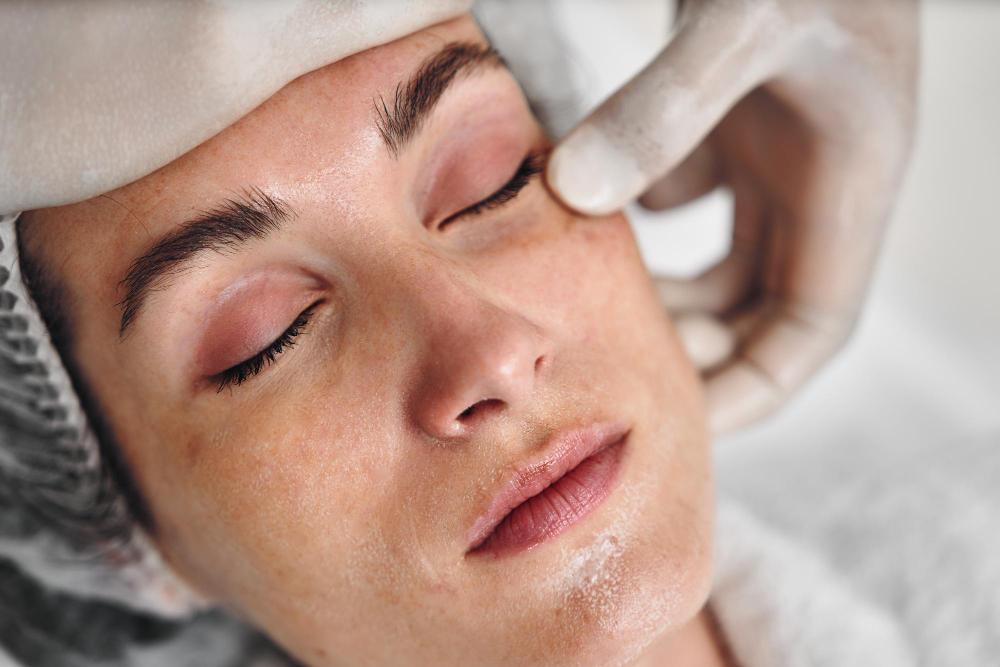
In short: IPL can target selected vascular and pigmented lesions because red and brown chromophores absorb filtered light. Lumecca and AFT are IPL technologies, not cure-all lasers. They may help visible vessels, diffuse redness, freckles or sun spots in suitable skin, but active rosacea, melasma, suspicious lesions and recently tanned skin need careful assessment.
Key takeaways
- IPL is broad-spectrum light, not a single-wavelength laser.
- The device cannot diagnose the mark it is treating.
- Melasma may worsen with heat or inflammation and is not a simple sun-spot problem.
- Sun avoidance before and after treatment is central to risk reduction.
How IPL targets colour
Intense pulsed light delivers a range of wavelengths through filters. Settings can be selected so that haemoglobin in visible vessels or melanin in selected brown marks absorbs more of the energy. The aim is controlled heating of the target while protecting surrounding skin.
Lumecca and Alma AFT both apply this principle with different handpieces, pulse delivery and platform controls. A brand name alone does not determine safety. Filter, fluence, pulse duration, cooling, skin tone and the operator’s judgement all matter.
Redness that may and may not respond
IPL may be discussed for visible facial vessels, diffuse photodamage-related redness and selected rosacea-associated vessels when the condition is stable. Rosacea is chronic and can also cause burning, sensitivity, acne-like bumps and eye symptoms. Light treatment does not replace medical control of inflammation or trigger management.
Redness from eczema, infection, allergy, acne irritation or a recent procedure requires a different response. Eye pain, light sensitivity or visual symptoms with facial redness warrant medical assessment rather than a cosmetic IPL booking.
| Concern | IPL may help | IPL is not the first answer |
|---|---|---|
| Visible small vessels | Selected superficial vessels | A diagnosis is still required |
| Diffuse redness | Selected stable vascular redness | Active inflammatory flare |
| Freckles or sun spots | Selected benign pigment | An unexplained or changing lesion |
| Melasma | Sometimes considered cautiously | Heat-sensitive or unstable melasma may worsen |
Pigmentation needs a name
Freckles and discrete sun spots can be reasonable IPL targets after a clinician confirms they are benign. The spots may temporarily darken before they flake or fade. Post-inflammatory hyperpigmentation and melasma need a more cautious plan because added inflammation can deepen colour.
Never use cosmetic light treatment to delay assessment of a new, changing, irregular, bleeding or symptomatic pigmented lesion. A dermatologist should examine it first. IPL is a treatment tool, not a skin-cancer screening device.
Recovery and Dubai sun
Temporary warmth, redness, mild swelling and darkening of treated pigment can occur. Use the aftercare supplied for your settings. Do not pick darkened spots, and avoid heat, vigorous rubbing and unapproved active skincare while the skin settles.
Recent tanning increases the amount of competing melanin in the skin and can raise burn or colour-change risk. Plan around outdoor weekends and travel, use broad-spectrum sunscreen and protective clothing, and be candid about sun exposure and self-tan at every session.
A consultation at The Reformery
At The Reformery in Dubai Hills Estate, treatment planning starts with a consultation and skin assessment. The clinician can confirm the diagnosis or concern, review medical history and recent sun exposure, explain realistic options and agree on aftercare. Booking a consultation does not commit you to a procedure. You can also WhatsApp us.
Frequently asked questions
Is IPL a laser?
No. IPL uses filtered broad-spectrum light, while a laser uses a more specific wavelength. Both can be medical energy devices and both require appropriate eye protection, settings and patient selection.
Can IPL cure rosacea?
No. IPL may reduce selected visible vessels or background redness, but rosacea is a chronic condition. Medication, gentle skincare, trigger management and eye assessment may also be needed.
Does IPL treat melasma?
Sometimes it is considered, but melasma can worsen after heat or inflammation. A dermatologist should confirm the diagnosis and discuss pigment-control options before IPL.
What happens to brown spots after IPL?
Selected spots may darken temporarily and then flake or fade over several days. Do not pick them. Unexpected blistering, severe pain or marked colour change should be reported promptly.
Which is better, Lumecca or AFT?
The best choice depends on the target, your skin tone, device filters and settings, and operator experience. A consultation should explain why one platform is proposed for your specific lesion.
Medical disclaimer
This article is for general information and does not replace an examination, diagnosis or personalised medical advice. Suitability, risks, treatment settings, recovery and results vary. Seek prompt medical care for severe pain, spreading redness, fever, vision changes, breathing difficulty or another urgent symptom.
Sources
- InMode: Lumecca IPL brochure — manufacturer-described vascular and pigment applications
- The Reformery: AFT IPL Harmony — verified AFT availability
- American Academy of Dermatology: Rosacea overview — rosacea features and need for diagnosis
