
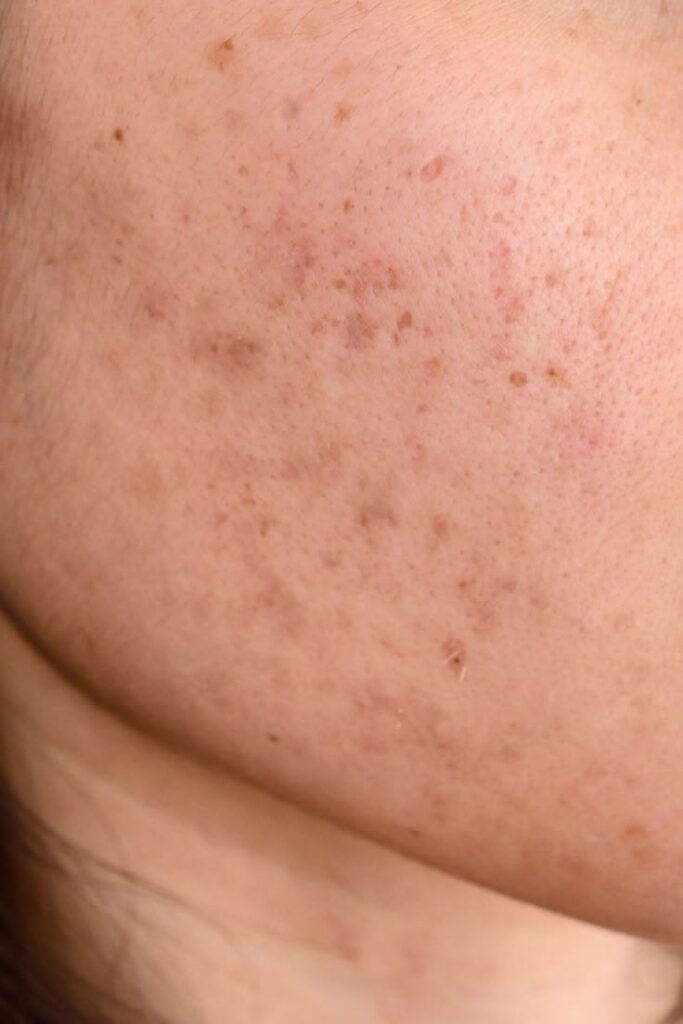
Acne may settle, yet the dents, uneven texture or dark marks it leaves behind can be stubborn. If you are comparing acne scar treatment in Dubai, you have probably come across three recurring options: laser resurfacing, subcision and microneedling. Each can be useful, but they do different jobs. The right choice depends less on which treatment is trending and more on the type of scar, its depth, your skin tone, active acne, medical history and the downtime you can realistically manage.
The short answer: laser is often considered for broader textural change; subcision releases certain tethered rolling scars; and microneedling encourages collagen remodelling. Many people have more than one scar type, so a dermatologist may suggest a staged combination.
First, is it a scar or a post-acne mark?
Brown, red or purple areas left after a breakout are not always true scars. They may be post-inflammatory pigmentation or redness, which needs a different plan. True acne scars change the skin’s texture.
Atrophic scars sit below the surrounding skin and are commonly described as rolling, boxcar or ice-pick scars. Rolling scars have a soft, wave-like appearance and may be anchored by fibrous bands. Boxcar scars have clearer edges and vary in depth. Ice-pick scars are narrow and deep. Raised hypertrophic or keloid scars form above the skin and should not be treated like depressed scars.
This distinction matters. A treatment that improves surface texture may do little for a deeply tethered scar, while an aggressive resurfacing procedure may create unnecessary risk when the main concern is pigment. A consultation through The Reformery’s Medical Dermatology service allows the clinician to assess the scar pattern, active acne and pigmentation tendency before suggesting a procedure.
Laser treatment for acne scars
Laser acne scar treatment uses controlled light energy to resurface the skin or stimulate repair below its surface. Ablative lasers remove microscopic columns of tissue and generally involve more recovery. Non-ablative fractional lasers work more gently beneath the surface and may require a series of sessions. The exact device and settings matter as much as the word “laser”.
Laser may be considered for widespread shallow boxcar scars and uneven texture. It can be useful after tethered scars have been released because it works across the skin surface rather than cutting bands beneath an individual scar.
Possible effects include redness, swelling, sensitivity and pigment changes. Medium to deeper skin tones may have a greater risk of post-inflammatory hyperpigmentation with some settings, so careful selection and strict sun protection matter. Dubai’s year-round UV exposure makes aftercare essential.
Laser is not automatically the strongest or best answer. The clinician should consider recent tanning, cold-sore history, prescription skincare, acne activity and the time available for healing. The Reformery’s article on personalised skin treatment planning explains why assessment should come before choosing a device.
Subcision for acne scars: tethered rolling scars
Subcision is a minor procedure performed beneath the skin. After local anaesthesia, a trained medical practitioner uses an appropriate sterile instrument to release fibrous bands that are pulling a depressed scar down. Once those bands are loosened, the surface may sit more evenly and the healing response can support new connective tissue.
It is most often discussed for tethered rolling scars, not every boxcar scar, narrow ice-pick scar, raised scar or flat post-acne mark. A hands-on examination matters because similar-looking depressions may behave differently when the skin is stretched.
Bruising, swelling, tenderness and temporary lumps can occur. Less common risks may include infection, bleeding, pigment change, prolonged firmness, damage to nearby structures or an unsatisfactory result. Results vary, and more than one session or another treatment may be advised.
The Reformery does not currently list subcision as a standalone service on its website, so availability and suitability should be confirmed directly with the clinic.
Microneedling and RF microneedling for acne scars
Microneedling creates controlled microchannels that prompt a repair response and gradual collagen remodelling. It is commonly considered for mild to moderate atrophic acne scars and overall texture. Because it does not rely on light targeting pigment, conventional microneedling can be used across a wide range of skin tones when performed appropriately.
Radiofrequency microneedling adds controlled heat below the skin through the needle tips. For people researching RF microneedling in Dubai, the important distinction is that it may support deeper remodelling. At The Reformery, Morpheus8 RF microneedling is listed as an option that may improve acne scars and texture. It is not interchangeable with standard microneedling; depth and energy should be personalised.
Expect temporary redness, swelling, sensitivity or pinpoint crusting. Pigment changes, infection and scarring are possible. Improvement develops gradually as the skin remodels. A course may be recommended, but session numbers and intervals should be decided after assessment.
Laser vs subcision vs microneedling: which is best?
There is no universal winner. A practical way to compare the three is:
| Treatment | Often considered for | Typical recovery considerations |
|---|---|---|
| Fractional laser | Broader uneven texture and selected shallow atrophic scars | Redness and sensitivity; recovery varies greatly by device and intensity |
| Subcision | Tethered rolling scars | Bruising, swelling and tenderness are common |
| Microneedling or RF microneedling | Mild-to-moderate atrophic scars and general texture | Short-term redness and swelling; several sessions may be considered |
Deep ice-pick scars may require a focal technique that is not covered by this three-way comparison. Raised or keloid scars need an entirely different approach. Active inflammatory acne is usually controlled first to reduce the chance of new scarring and avoid treating irritated or infected skin.
Why combination plans are common
Real faces rarely present with one neat scar category. Someone may have rolling scars on the cheeks, a few sharp boxcar scars near the temples and brown marks along the jawline. In that situation, one procedure may improve one feature while leaving another largely unchanged.
A dermatologist might therefore stage treatment: control active acne, release selected tethered scars, then address wider texture with microneedling or laser. A chemical peel may sometimes be considered for superficial post-acne marks or uneven tone, but it is not a substitute for releasing a tethered scar.
Sequencing, intervals and aftercare should be individualised; combining more procedures does not automatically mean a better outcome.
Choosing safely in Dubai
Ask who will assess and perform the procedure, which technology is being proposed and why it matches your scar type. Discuss realistic improvement, expected downtime, alternatives, costs, aftercare and what the clinic would do if a complication occurred.
Tell the practitioner about pregnancy or breastfeeding, a tendency to keloids, cold sores, recent tanning, previous pigment changes, medical conditions, medicines and all acne treatments—including isotretinoin and prescription retinoids. Do not stop prescribed medication without advice from the prescribing clinician.
Daily broad-spectrum sunscreen, shade and sensible timing are especially important in Dubai. Avoid booking an energy-based or resurfacing procedure immediately before a beach holiday, outdoor event or period when you cannot follow recovery guidance.
At The Reformery in Dubai Hills Estate, you can begin with a clinical skin assessment and discuss suitable options with the dermatology team, including Dr Ashraf Ezzedeen. The aim should be a plan built around your skin—not a promise of perfect or scar-free skin.
Frequently asked questions
Can acne scars be removed completely?
Treatment can make some scars less noticeable and improve overall texture, but complete removal cannot be guaranteed. The degree of change depends on scar type, depth, skin response, treatment choice and adherence to aftercare.
Is laser better than microneedling for acne scars?
Not in every case. Laser may suit some patterns of texture, while microneedling may be preferred when a lower-downtime collagen-remodelling approach is appropriate. Skin tone, pigmentation risk and the specific laser platform also influence the decision.
When is subcision preferred?
Subcision is usually considered when rolling scars are held down by fibrous bands. It will not address every depressed scar, post-acne mark or raised scar, so an in-person assessment is needed.
How many sessions will I need?
There is no responsible one-number answer. Some scars need staged treatments, and collagen change takes time. Your clinician should review the response before confirming further sessions.
Begin with the scar, not the device
The best acne scar treatment in Dubai is the one matched to the structure of your scars, your skin and your tolerance for recovery. Laser, subcision and microneedling are tools, not rivals. A careful diagnosis and realistic plan will usually matter more than choosing the most talked-about technology.
To discuss your skin with a licensed practitioner, use The Reformery’s online booking page.
This article is for general education and does not replace an individual medical consultation. Suitability, risks, benefits and expected outcomes should be discussed with a qualified healthcare professional; results vary from person to person.
